
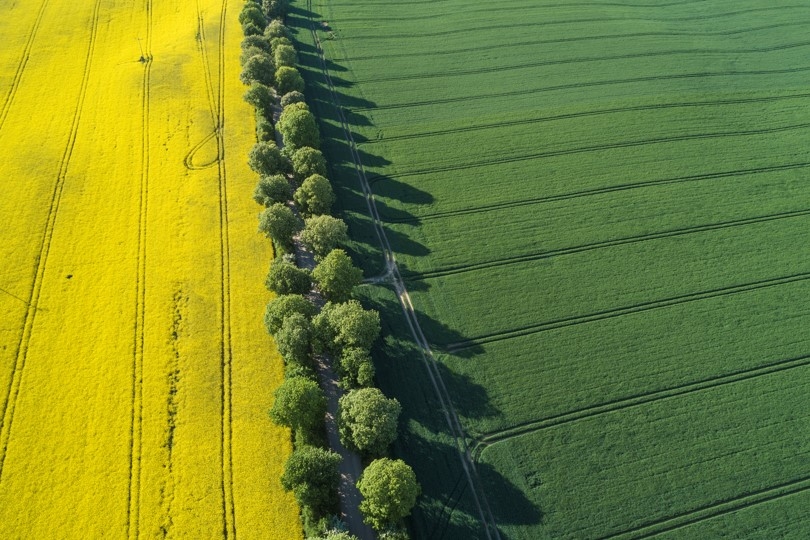
Troubled Northern Beans There are nearly weekly reports of new U.S. soybean crushing plants being built to accommodate the policy-driven demand for renewable diesel. If not for the policy, it is unlikely that two new plants would be built in North Dakota where currently 90 percent of the beans are shipped out of state for processing. Once the new plants are completed in Casselton and Spiritwood, over half the state’s soybeans will be processed without leaving state lines. Even though these plants are being built in the top soybean producing counties in the state, they are not without risk. As this spring will attest, the climate change that has enabled a northward shift in soybean production is imperfect. The Dakotas ranked th...



From WPI Consulting
Weighing in on strategic realignment

WPI’s team was retained by the governing board of a U.S. industry organization to review a decision, reached by vote, to invest significant assets into the development and management of an export trading company. WPI’s team conducted a formal review of this decision and concluded that the current level of market saturation would limit the benefits of the investment. Based on WPI’s analysis and recommended actions, the board subsequently reversed its decision and undertook a strategic planning effort to identify more impactful investments. On behalf of numerous clients, WPI has not only assisted in identifying strategic paths but also advised their implementation.