
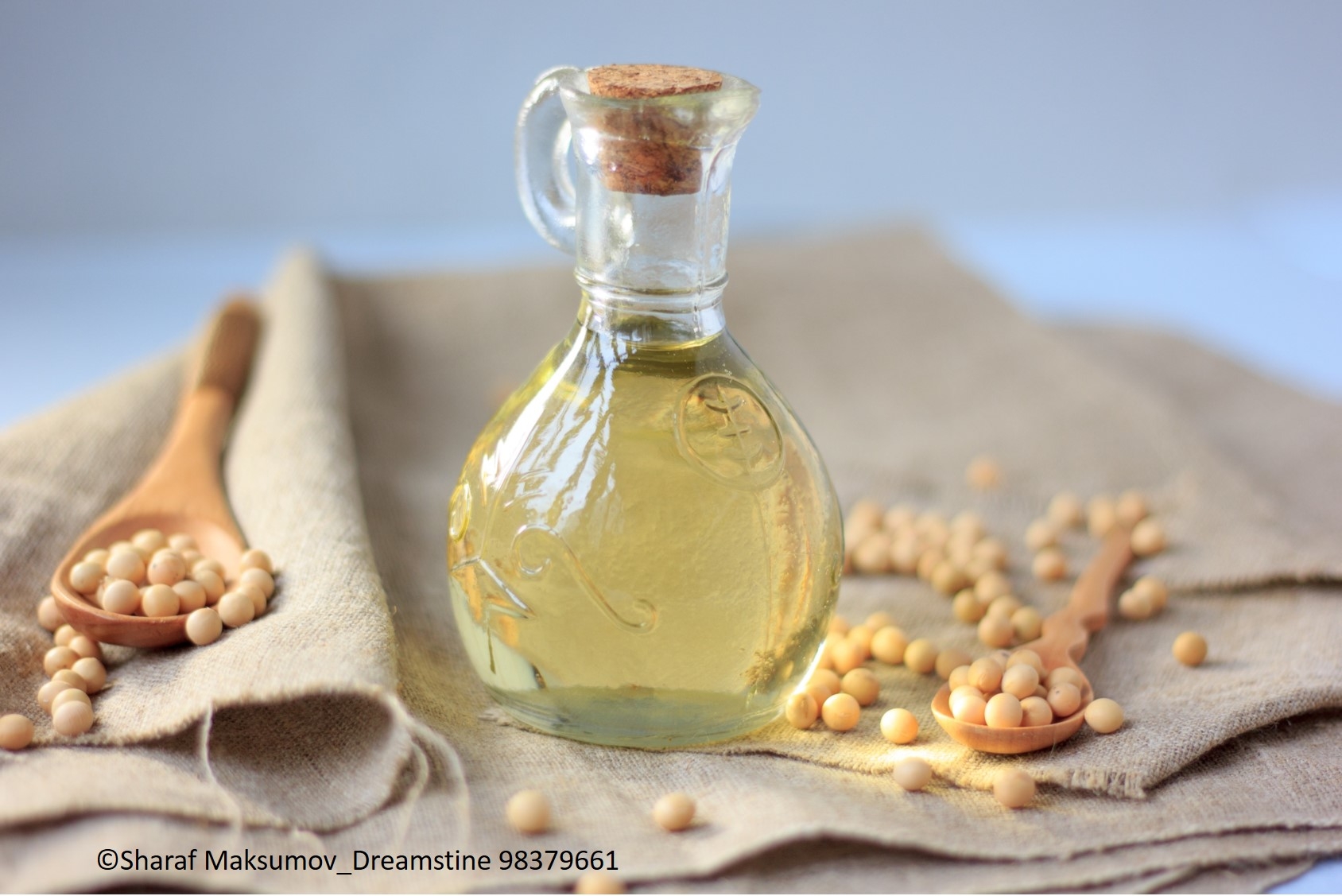
Soyoil prices again pushed higher than soymeal today, pushing the oilshare of product value ever higher (approx. 36.85 percent). The price difference cannot be justified looking just at U.S. supply/demand since its domestic soymeal ending stocks are pushing lower while soyoil stocks are steady. Instead, it is the global surplus stocks of all vegetable oils that are forecast to hit the lowest level in a decade (see graphs below). Last year it was oilshare that got pushed down to record lows (28 percent) as the demand for biofuel plunged along with petroleum as governments shut down their economies for COVID. There are other wildcards. Argentina is the largest exporter of soybean meal and oil and so its various strikes and export stoppages i...



From WPI Consulting
Communicating importance of value-added products

Facing increasing pressure to quantify the value of export promotion efforts to investors, a U.S. industry organization retained WPI to develop a quantitative model that better communicated the importance of exports. The resulting model concluded that value-added meat exports contributed $0.45 cents per bushel to the price of corn, increasing support for that sector’s financial support of WPI’s client. In addition to serving the red meat industry with this type of analysis, WPI has generated similar deliverables for the U.S. soybean and poultry/egg industries.