
This year’s volatility in beef and cattle prices – particularly in the past two months – has heightened the industry’s interest in what the U.S. cattle herd will look like next year. The border closure with Mexico has certainly shrank cattle-on-feed inventories while strong production economics should have created expansion in the domestic cow and retained heifer herd. Just how much these dynamics are at play remains uncertain, leaving the beef industry eagerly awaiting USDA’s January Cattle Inventory report. This information will be valuable for gauging cattle supplies in 2027 and help set pricing expectations. The forward-looking eagerness is not isolated to the beef industry, however, as the dairy industry a...



 What You Need to Know Today: Iran says its definition of the Strait of Hormuz is now a “vast operation area” that stretches from Jask to Siri Island. The White House said President Trump did not sign a suspension of the TRQs on beef imports but is “finalizing potential...

From WPI Consulting
Forecasting developments in production agriculture
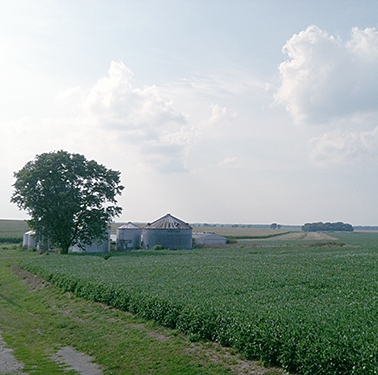
On behalf of a private U.S. agricultural technology provider, WPI’s team generated an econometric model to forecast the movement of concentrated corn production north and west from the traditional U.S. Corn Belt. WPI’s model has subsequently provided quantitative support to a multi-million-dollar investment into short-season corn variety development. WPI’s methodology included a series of interviews with regional grain elevators and seed consultants. Emphasizing outreach and communication with stakeholders who possess intimate sectoral knowledge – on-the-ground insights – is a regular component of WPI’s methodologies, made possible by WPI’s ever-growing network of industry contacts.