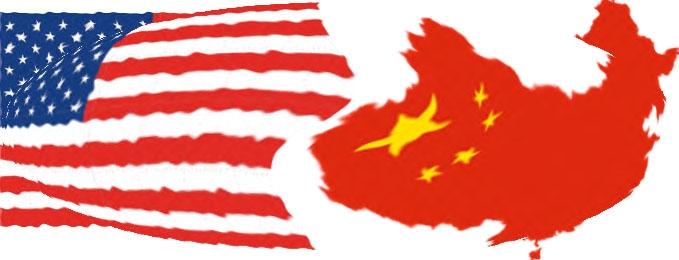
As protests turn to urban riots in a number of U.S. cities, the social media rhetoric from China has been ratcheted up a notch trolling the U.S., including posts from the Chinese foreign ministry drawing parallels to the U.S. position on the protests in Hong Kong. As we’ve noted previously, the diplomatic relationship between the U.S. and China is frayed, at best, which casts a great deal of uncertainty over the Phase One trade deal. There are news and market reports that the Chinese government has instructed its state-owned enterprises (SOEs) to stop purchasing U.S. commodities, namely soybeans and pork in response to President Trump’s announcement on Friday about the China/Hong Kong situation. The U.S. had recogni...



 What You Need to Know Today: Russia rejected calls for a ceasefire in the Black Sea, including a proposal to halt attacks on civilian shipping that could help restore grain flows from Ukrainian ports. Tyson Foods announced plans to permanently close its Joslin, Illinois, beef processing facili...

 The big news in the cattle markets yesterday was Tyson Foods’ move to close two more beef plants. One of them, the Joslin, Illinois, plant was shuttered immediately after the announcement. The other, in Eagle Mountain, Utah, is a case-ready plant that does not slaughter cattle. Tyson also...

 The Bureau of Labor Statistics (BLS) released the Consumer Price Index (CPI) on Wednesday. In July, the CPI rose 0.1 percent, seasonally adjusted, and rose 3.4 percent over the last 12 months, not seasonally adjusted. The index for all items less food and energy, or the “core” infla...

From WPI Consulting
Weighing in on strategic realignment

WPI’s team was retained by the governing board of a U.S. industry organization to review a decision, reached by vote, to invest significant assets into the development and management of an export trading company. WPI’s team conducted a formal review of this decision and concluded that the current level of market saturation would limit the benefits of the investment. Based on WPI’s analysis and recommended actions, the board subsequently reversed its decision and undertook a strategic planning effort to identify more impactful investments. On behalf of numerous clients, WPI has not only assisted in identifying strategic paths but also advised their implementation.