
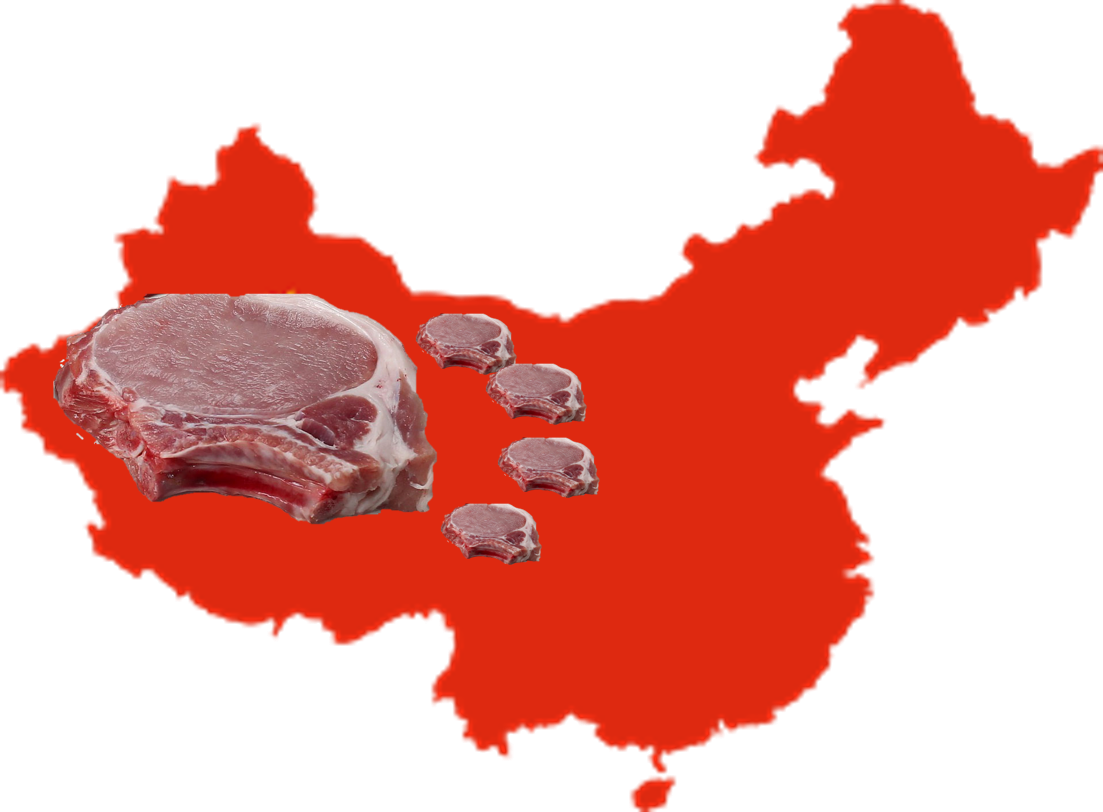
Given China’s pork shortage and its concurrent sensitivity to imports, some have speculated that pork has been entering the country, or is poised to, via unofficial pathways. Many countries are talking about shortening supply chains and increasing self-sufficiency. Taiwan went the opposite way several years ago when its national economic planning commission calculated that land was too precious for pork production and instead the focus should be on microchips. Instead of investing in more pork, the government created the Taiwan Semiconductor Manufacturing Company (TSMC), which grew into the largest microchip supplier in the world. The microchip market is every bit as tough and competitive as the pork industry but potentially more pro...



 What You Need to Know Today: The U.S. and Iran exchanged strikes, with the U.S. hitting Iranian bridges, energy sites, and military infrastructure. Iran launched a missile into Kuwait that damaged a desalination plant. Crude oil futures surged on heightened Middle East tensions, providing supp...
 Congress returned this week from its Fourth of July recess, with another break scheduled for the month of August, to face a busy agenda before adjourning for the August recess. Congress has several priorities, including the National Defense Authorization Act, a potential third reconciliation pa...

 There was a time, not so long ago, when you could easily explain U.S. agricultural policy. It was countercyclical and focused on risk management, especially for traditional row crops. There were a few exceptions, like dairy and sugar, which maintained the remnants of supply control. Participati...

From WPI Consulting
Accountability and a comprehensive approach to export programming

WPI’s team helped construct a strategic approach to develop, implement, and track promotional activities in 8 key regions across the globe for an agricultural export association. With continued progress measurement and strategic advisory services from WPI, the association has seen its ROI from investments in promotional programming increase by 44 percent over the past 5 years. Not only does this type of holistic approach to organizational strategy provide measurable results to track and analyze, it fosters top-down and bottom-up organizational accountability.