
Japanese Pivot: They were against it before they were for it. The new Japanese coalition government (LDP/New Komeito) announced post-election policy changes on the Trans-Pacific Partnership (TPP) negotiations and nuclear energy. Campaign rhetoric was harsher than the now nuanced framing that the TPP should be an agreement "consistent with offering the best path for the national interest." And while New Koteimo had previously advocated an impractical "zero nuclear" policy, LDP leader and incoming Prime Minister Shinzo Abe indicates the government may allow the construction of new nuclear reactors, presumably with very high safety standards.Truck Angst All for Naught: The Teamsters Union fought tooth and nail against allowing Mexican trucks...


 Yesterday, Alberta held a referendum on whether to begin the process toward independence from Canada. With more than one million votes counted as of early Tuesday morning, around 77 percent supported remaining in Canada, and 23 percent voted to start the process of separation, according to unof...


 What You Need to Know Today: Harvest pressure in the U.S. sent corn and soybeans lower as supplies increased and there were signs USDA’s upward revisions to yields in the October WASDE could be close to right. The conflict between Russia and Ukraine escalated over the weekend, with Ukrai...

 Key Takeaways: India is excluding sugarcane juice, sugar syrup, and B-heavy molasses from its 2026/27 fuel ethanol procurement program to protect domestic sugar supplies, potentially shifting additional demand toward corn and rice. India’s corn consumption for ethanol has surged from jus...

From WPI Consulting
Forecasting developments in production agriculture
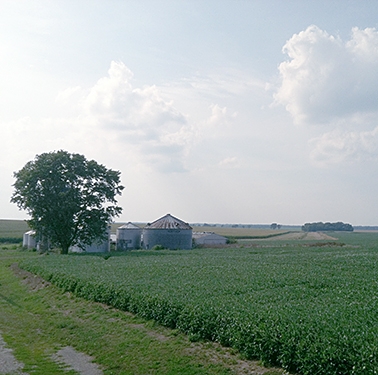
On behalf of a private U.S. agricultural technology provider, WPI’s team generated an econometric model to forecast the movement of concentrated corn production north and west from the traditional U.S. Corn Belt. WPI’s model has subsequently provided quantitative support to a multi-million-dollar investment into short-season corn variety development. WPI’s methodology included a series of interviews with regional grain elevators and seed consultants. Emphasizing outreach and communication with stakeholders who possess intimate sectoral knowledge – on-the-ground insights – is a regular component of WPI’s methodologies, made possible by WPI’s ever-growing network of industry contacts.