TPP Smoke Equals Fire At last week's TPP negotiations in Dallas, USTR floated language that allows health authorities to adopt regulations against tobacco in order to safeguard public health. The U.S. Food and Drug Administration is particularly desirous of having the language since its recommended ban against clove cigarette imports was overturned by a WTO dispute panel. However, industry is weighing carefully the potential unintended consequences of the language. For example, could countries ban imports of a food product that contained some trans fat? What about alcohol, salt covered chips and nutrient-dense foods that could contribute to obesity like HFCS, etc.? Doha Gets Boost Doha is dead, long live Doha. Trade officials meeting a...



 Key Takeaways: President Trump announced $8 billion in additional agricultural assistance through the Harvest Fuel Relief Program, as USDA projects farm fuel and oil expenses will increase 28.8 percent in 2026. The package follows $12 billion in earlier relief, while government farm payments w...

 Key Takeaways: A student group from the University of Chicago is protesting to bring back onion futures trading. Trading in onion futures was banned in 1958 following a spectacular bout of market manipulation that resulted in a corner of the physical market. The ban on onion futures led t...

 Beef packer margins deteriorated to $141/head last week, down $55 from the prior week as fed cattle prices strengthened while the Choice cutout remained nearly unchanged. The cutout held near $373/cwt while fed cattle prices climbed $4/cwt to $224/cwt, narrowing processor profits. Despite the d...

From WPI Consulting
Forecasting developments in production agriculture
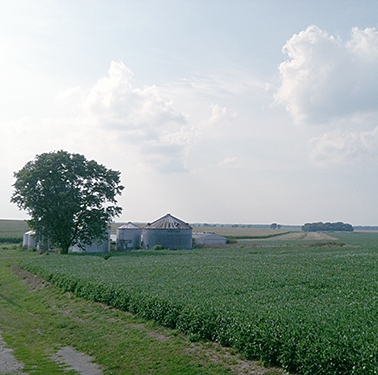
On behalf of a private U.S. agricultural technology provider, WPI’s team generated an econometric model to forecast the movement of concentrated corn production north and west from the traditional U.S. Corn Belt. WPI’s model has subsequently provided quantitative support to a multi-million-dollar investment into short-season corn variety development. WPI’s methodology included a series of interviews with regional grain elevators and seed consultants. Emphasizing outreach and communication with stakeholders who possess intimate sectoral knowledge – on-the-ground insights – is a regular component of WPI’s methodologies, made possible by WPI’s ever-growing network of industry contacts.