
In observance of Presidents’ Day, both the CME/CBOT and our offices will be closed on Monday, 16 February. The next edition of Ag Perspectives will be published on Tuesday, 17 February...


 Commodity markets moved in the same direction today, although the reasons behind the weakness are anything but simple. Metals, energy and grains all faced selling pressure, while cattle managed to move against the broader trend. What makes this particularly interesting is that these markets hav...
 Key Takeaways: China’s lagging agricultural purchases have attracted considerable attention, but the broader impact on U.S. agricultural exports may be overstated. China’s $17 billion annual non-soybean purchase commitment represents a return to historical trade levels that may no...

 Key Takeaways: Biodiesel demand will continue to drive the U.S. soy complex and provide a supportive environment for expanding both soybean production and utilization. WPI expects U.S. biofuel producers to use roughly 20 billion pounds of soyoil in 2027/28, up from 17.8 billion in 2026/2...

From WPI Consulting
Forecasting developments in production agriculture
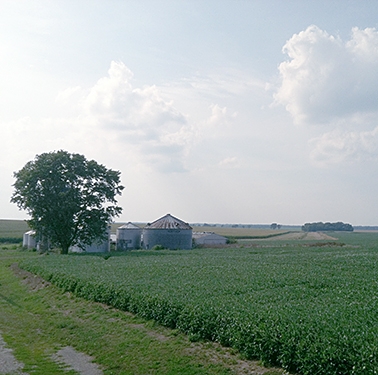
On behalf of a private U.S. agricultural technology provider, WPI’s team generated an econometric model to forecast the movement of concentrated corn production north and west from the traditional U.S. Corn Belt. WPI’s model has subsequently provided quantitative support to a multi-million-dollar investment into short-season corn variety development. WPI’s methodology included a series of interviews with regional grain elevators and seed consultants. Emphasizing outreach and communication with stakeholders who possess intimate sectoral knowledge – on-the-ground insights – is a regular component of WPI’s methodologies, made possible by WPI’s ever-growing network of industry contacts.