

The U.S. grows less than 2 percent of the world’s rapeseed, but some think this will change. This past winter and spring, canola was called a popular crop for planting this year. Its lower input costs combined with higher overall oilseed prices made it a good pick. But that isn’t how it has played out. While output is projected to grow 30 percent, it will not be as large a crop as in 2018/19, which was only slightly larger and considered anomalous. The area harvested will be lower this year than last. It is popular but in a very limited way. The same way that growing canola is engrained in Canadian farmers’ planning, producing corn and soybeans is embedded knowledge and infrastructure for their peers to the so...



From WPI Consulting
Forecasting developments in production agriculture
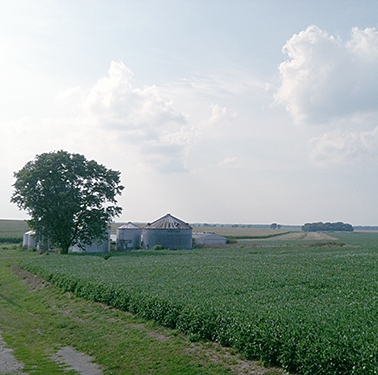
On behalf of a private U.S. agricultural technology provider, WPI’s team generated an econometric model to forecast the movement of concentrated corn production north and west from the traditional U.S. Corn Belt. WPI’s model has subsequently provided quantitative support to a multi-million-dollar investment into short-season corn variety development. WPI’s methodology included a series of interviews with regional grain elevators and seed consultants. Emphasizing outreach and communication with stakeholders who possess intimate sectoral knowledge – on-the-ground insights – is a regular component of WPI’s methodologies, made possible by WPI’s ever-growing network of industry contacts.