


The current period of low global grain prices presents a temporary opportunity for end users to be proactive, primarily because this is a time is when growers are most receptive to ideas that guarantee a sufficient margin and enable farming without interruption.Changing values of equity markets seem neither a significant influence nor much of a leading indicator for non-metal commodity prices. For example, both grains and crude oil recently established pronounced lows once supply outpaced demand. In each circumstance, development of that condition took some time because demand has been steadily growing. Global crude oil prices worked higher from the late 1990s until 2014 due to rising Chinese demand. As well, the U.S. ethanol mandate caused...



 What You Need to Know Today: After a period of limited activity, USDA reported a sizeable 613 KMT in soybean export sales, including 330 KMT to China and 283 KMT to unknown destinations, potentially also China. The purchases represent a meaningful pickup in demand and bring China closer to ful...

 Key Takeaways: Consumer spending is a key driver of the U.S. economy, and the latest retail sales data indicate that spending remains robust despite inflation. In September, total retail and food service sales rose more than 6 percent year-over-year, with food service spending up 7 percent and...

 The Trump import plan for 300,000 MT of beef supplies used for ground beef, i.e., lean trim, from September through November has, according to Secretary Brooke Rollins, brought some relief to beef prices. The Executive Order states that the Secretary of Agriculture will analyze and review the m...

From WPI Consulting
Forecasting developments in production agriculture
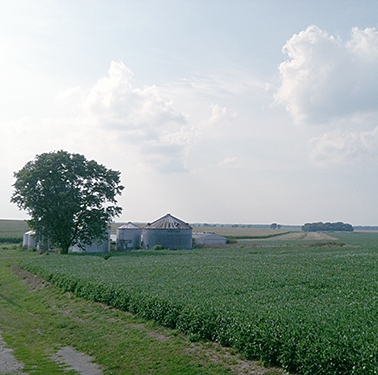
On behalf of a private U.S. agricultural technology provider, WPI’s team generated an econometric model to forecast the movement of concentrated corn production north and west from the traditional U.S. Corn Belt. WPI’s model has subsequently provided quantitative support to a multi-million-dollar investment into short-season corn variety development. WPI’s methodology included a series of interviews with regional grain elevators and seed consultants. Emphasizing outreach and communication with stakeholders who possess intimate sectoral knowledge – on-the-ground insights – is a regular component of WPI’s methodologies, made possible by WPI’s ever-growing network of industry contacts.