
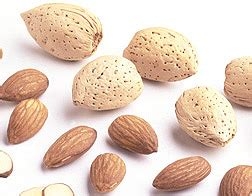
Climate change is being blamed for drought limited grain crops this year, but tree nuts are a better example. Weather has caused volatility in grain markets for ions. In Genesis, Joseph saves the Egyptians during a distressed crop year by releasing grain from the stores he maintained. Variable monsoons, La Niña/El Niño and other weather phenomenon predate the current climate change challenge when it comes to growing grain. However, the real threat from climate change is the highly concentrated tree nut supply. Most of the world’s major tree nuts are grown in California and exported from the U.S. China is the largest producer of walnuts, but the U.S. exports more of them and it produces and exports most of the world&rsqu...



 What You Need to Know Today: New World screwworm is back in the headlines after new cases were found in a hunter-harvested elk in Texas and a beef cow in New Mexico. The detection in wildlife could further complicate containment efforts, as implementing effective biosecurity measures is consid...

 Cattle on Feed Expectations USDA’s monthly Cattle on Feed report that will show cattle inventory statistics as of 1 October will be released tomorrow, 23 October. Analysts’ pre-report consensus estimates are for the total inventory on feed to be 100.3 percent of last year, which imp...

From WPI Consulting
Forecasting developments in production agriculture
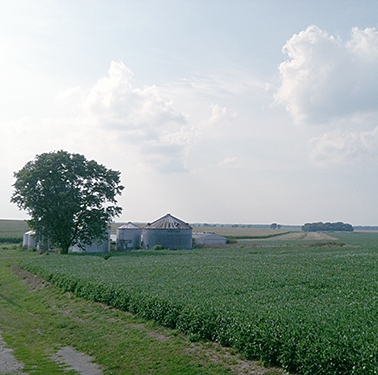
On behalf of a private U.S. agricultural technology provider, WPI’s team generated an econometric model to forecast the movement of concentrated corn production north and west from the traditional U.S. Corn Belt. WPI’s model has subsequently provided quantitative support to a multi-million-dollar investment into short-season corn variety development. WPI’s methodology included a series of interviews with regional grain elevators and seed consultants. Emphasizing outreach and communication with stakeholders who possess intimate sectoral knowledge – on-the-ground insights – is a regular component of WPI’s methodologies, made possible by WPI’s ever-growing network of industry contacts.