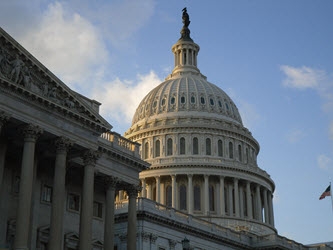
Yesterday, Secretary Tom Vilsack testified at the House Agriculture Committee to Review the State of the Rural Economy - an annual event with only the Secretary testifying and describing a “dichotomy in rural America” and the Administration’s plans. First, the highlights. Net farm income in 2021 was up 23 percent to $116.8 billion and returned to being a net exporter after two years of net importer status. Exports were a record $172.2 billion for the fiscal year (1 October 2020-30 September 2021), also up 23 percent. Initial estimates for the calendar year “suggest that the United States will set an all-time record” and 2022 forecasts are “optimistic for continued growth.” On the other hand, despi...



 What You Need to Know Today: Commodities were mostly lower across the board today after yesterday’s Federal Reserve meeting hinted at a potential interest rate hike later in 2026. The dollar index reached its highest level in over a year, and a strong dollar makes U.S. agricultural expor...
 Tomorrow is the Juneteenth federal holiday, and the USDA, along with the rest of the federal government and the CME, will be closed, so the monthly Cattle on Feed report was released a day early. The total number of cattle on feed in feedlots with 1,000 head or more capacity on 1 June amounted...

From WPI Consulting
Weighing in on strategic realignment

WPI’s team was retained by the governing board of a U.S. industry organization to review a decision, reached by vote, to invest significant assets into the development and management of an export trading company. WPI’s team conducted a formal review of this decision and concluded that the current level of market saturation would limit the benefits of the investment. Based on WPI’s analysis and recommended actions, the board subsequently reversed its decision and undertook a strategic planning effort to identify more impactful investments. On behalf of numerous clients, WPI has not only assisted in identifying strategic paths but also advised their implementation.