
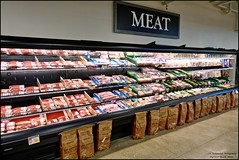
Argentina’s restriction on beef exports to control domestic inflation and political upheaval could raise issues over reliability as a supplier. However, Russia has proven that wheat importing countries care more about value (quality and price) than they do about reliability of specific suppliers. Brazil is the world’s largest exporter of beef and is expanding faster than any other supplier. Australia can be a somewhat volatile beef exporter due to more frequent droughts. India’s exports of beef are declining, and the rest are relatively smaller suppliers. As the world’s largest supplier of grain fattened beef, the U.S. has typically emphasized quality in its marketing approach. The mantra for less competitive or sma...


 What You Need to Know Today: Cattle futures extended their sharp selloff Friday as weakening cash cattle prices, deteriorating feedlot profitability, and reduced packer demand continued to weigh on the market. The inability of futures to sustain a rally following last week's bullish Cattle on...


 As predicted, the Federal Reserve held rates steady at the last meeting before the midterm elections, likely in part because of the election (see WPI 19 October and 22 September). The decision comes at the tail end of a midterm election cycle that has been marked by the two parties campaigning...
 Key Takeaways: The tariff burden rose sharply in 2025 and 2026: the effective rate on imports in HTS Chapters 1–24 increased from 1.53 percent in 2024 to 6.11 percent in 2025, before averaging 5.68 percent in January–August 2026. Headline rates tell only part of the story: exemptio...

From WPI Consulting
Communicating importance of value-added products

Facing increasing pressure to quantify the value of export promotion efforts to investors, a U.S. industry organization retained WPI to develop a quantitative model that better communicated the importance of exports. The resulting model concluded that value-added meat exports contributed $0.45 cents per bushel to the price of corn, increasing support for that sector’s financial support of WPI’s client. In addition to serving the red meat industry with this type of analysis, WPI has generated similar deliverables for the U.S. soybean and poultry/egg industries.