EU agricultural policy has focused on assisting farmers in extracting higher prices for food, based on quality built over centuries, with branding both on historic names and geographic origin, and to some degree shorting the market. U.S. agricultural policy has zeroed in on productivity – extracting the highest yield for the lowest cost. This latter approach has served well during decades in which calories were expensive or at risk, but former USDA secretary Dan Glickman argues that the policy now contributes to national decline. That is because poor diet is the leading cause of mortality in the country. U.S. agricultural policy subsidizes high calories per acre of production when it should be reinforcing the goals of the government&...



 What You Need to Know Today: After a period of limited activity, USDA reported a sizeable 613 KMT in soybean export sales, including 330 KMT to China and 283 KMT to unknown destinations, potentially also China. The purchases represent a meaningful pickup in demand and bring China closer to ful...
 Key Takeaways: Dry bulk markets remain mixed with Capesize vessels seeing continued pressure from weaker demand while fixtures and rate strength gradually increases towards the smaller vessel classes. Tanker markets are pulling back from their recent highs as tonnage moves out of the Mid...

 The Trump import plan for 300,000 MT of beef supplies used for ground beef, i.e., lean trim, from September through November has, according to Secretary Brooke Rollins, brought some relief to beef prices. The Executive Order states that the Secretary of Agriculture will analyze and review the m...

From WPI Consulting
Infrastructure investment due diligence
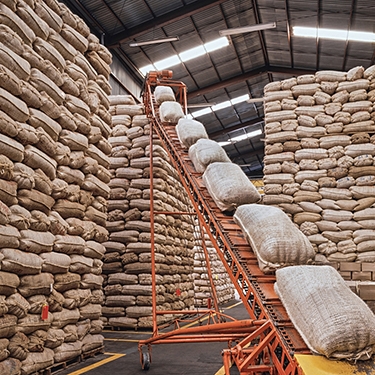
On behalf of a Canadian oilseed processer WPI's team provided market analysis, econometric modeling and financial due diligence in support of a $24 million-dollar investment in a Ukrainian crush plant. Consistent with WPI's findings, local production to supply the plant and the facility's output have expanded exponentially since the investment. WPI has conducted parallel work on behalf of U.S., South American and European clients, both private and public, in the agri-food space.