
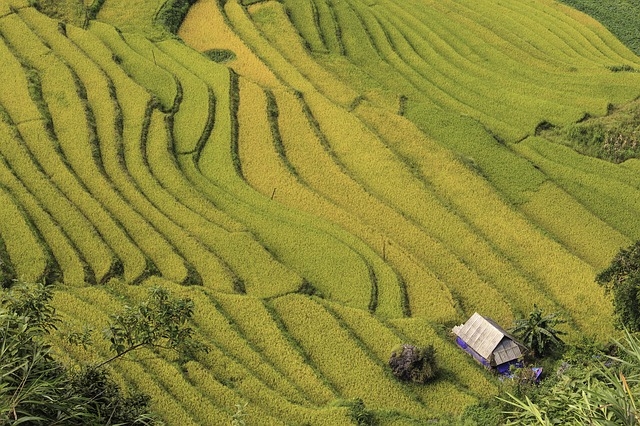
Global rice stocks are down just 2.7 percent this year, but the drop is larger in key rice consuming countries, plus the largest rice exporting nation, India, imposed an export restriction. This has caused an exaggerated response in price with global values rising 29 percent year-on-year. This has caused problems in Malaysia where domestic rice was in shortfall and then the government raised the price of imported product by 36 percent to reflect the global market. By contrast, Pakistan’s rice output is up 63 percent and is the second largest crop on record. It looks to export 5 MMT, a 40 percent increase. The U.S. will see a 32 percent increase in rice exports. El Nino is blamed for the volatility in rice production, and...


 Key Takeaways: A student group from the University of Chicago is protesting to bring back onion futures trading. Trading in onion futures was banned in 1958 following a spectacular bout of market manipulation that resulted in a corner of the physical market. The ban on onion futures led t...
 WPI Grain Prices and Freight Rate App Note: you can also visit the app directly by clicking here. Supplemental Information The section below offers a concise view of the options available in the current version of the WPI FOB Price and Freight Rate app, along with a short “How To”...


 Yesterday, Alberta held a referendum on whether to begin the process toward independence from Canada. With more than one million votes counted as of early Tuesday morning, around 77 percent supported remaining in Canada, and 23 percent voted to start the process of separation, according to unof...

From WPI Consulting
Infrastructure investment due diligence
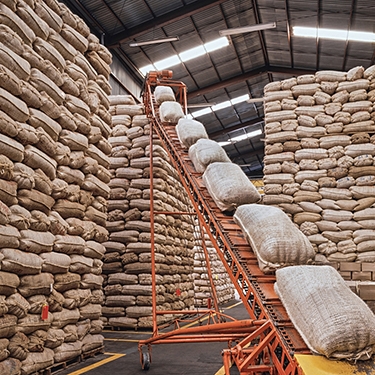
On behalf of a Canadian oilseed processer WPI's team provided market analysis, econometric modeling and financial due diligence in support of a $24 million-dollar investment in a Ukrainian crush plant. Consistent with WPI's findings, local production to supply the plant and the facility's output have expanded exponentially since the investment. WPI has conducted parallel work on behalf of U.S., South American and European clients, both private and public, in the agri-food space.