
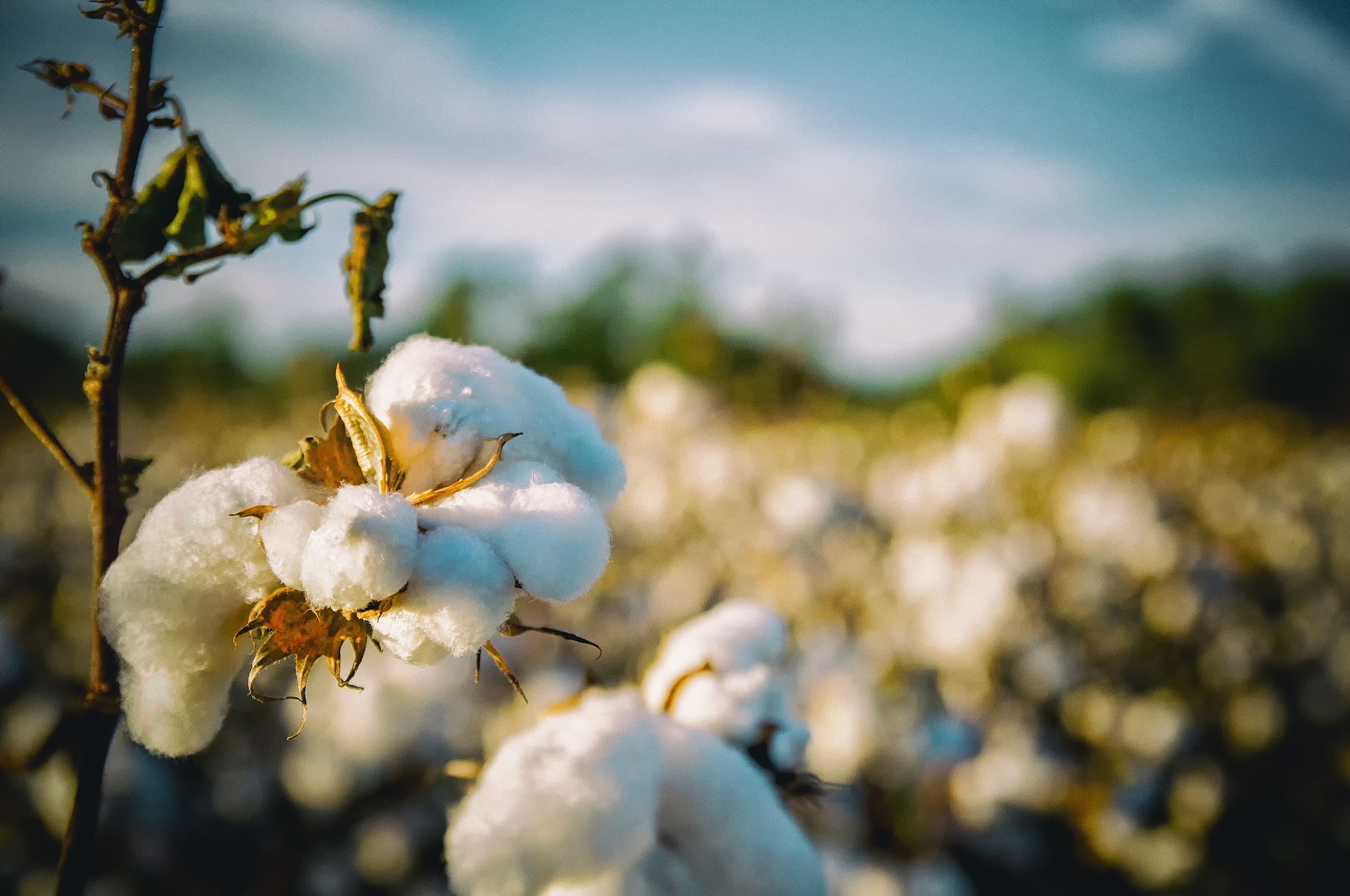
The war against GMO’s is still playing out in Africa. French news platform RFI reports that farmers in Kenya are fighting over whether to grow Bt cotton. One farmer claimed his yields jumped 166 percent with Bt cotton seed, but opponents say initial yield gains eventually recede and Bt cotton is of poor quality. Threatening the opposition’s narrative is the reality of Bt cotton production in the largest cotton producing countries. Yields of Bt cotton are substantially larger than that of Kenya’s non-GMO cotton, and they have remained consistently higher over many years. Additionally, the four top exporters of cotton (U.S., Brazil, Australia and India) have consistently retained their positions, indicating that any q...



 Total Red Meat & Poultry September 2026 total red meat and poultry stocks totaled 1.97 billion pounds, down 1.4 percent from August despite typically increasing 0.8 percent during the month, and were 1.5 percent below September 2025 levels. The decline pushed total inventories to a new five...


 What You Need to Know Today: New World screwworm is back in the headlines after new cases were found in a hunter-harvested elk in Texas and a beef cow in New Mexico. The detection in wildlife could further complicate containment efforts, as implementing effective biosecurity measures is consid...

From WPI Consulting
Forecasting developments in production agriculture

On behalf of a private U.S. agricultural technology provider, WPI’s team generated an econometric model to forecast the movement of concentrated corn production north and west from the traditional U.S. Corn Belt. WPI’s model has subsequently provided quantitative support to a multi-million-dollar investment into short-season corn variety development. WPI’s methodology included a series of interviews with regional grain elevators and seed consultants. Emphasizing outreach and communication with stakeholders who possess intimate sectoral knowledge – on-the-ground insights – is a regular component of WPI’s methodologies, made possible by WPI’s ever-growing network of industry contacts.