

Russia has exploded as a wheat exporter, tripling its sales in just a decade. By contrast, domestic consumption grew some but has been relatively stagnant the past few years. That has because the population has grown at just 0.15 percent per year and is forecast to fall going forward. Sensitive to public resistance to food price increases, the government has been using an export tax to meter how much of the nation’s wheat gets exported. Russia’s wheat stocks-to-use ratio is higher than it has been for six of the past ten years. As in other countries, the contributions to food price inflation are more diverse than just the bulk commodity value. If wheat is on average about 12 percent of the value of a loaf of bread, halving the...



 What You Need to Know Today: Markets got a surprise with a corn yield of 181.2 bushels/acre in the October WASDE, above the average estimate of 177.6 bushels/acre and up from USDA’s September estimate of 178.5 bushels/acre. Although stronger demand is expected to absorb some of the addit...

From WPI Consulting
Infrastructure investment due diligence
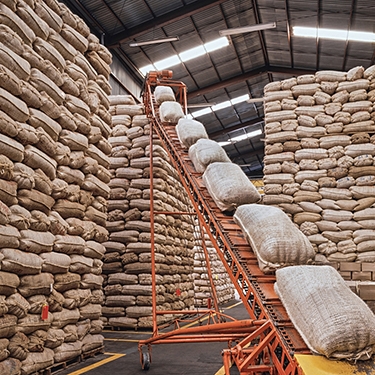
On behalf of a Canadian oilseed processer WPI's team provided market analysis, econometric modeling and financial due diligence in support of a $24 million-dollar investment in a Ukrainian crush plant. Consistent with WPI's findings, local production to supply the plant and the facility's output have expanded exponentially since the investment. WPI has conducted parallel work on behalf of U.S., South American and European clients, both private and public, in the agri-food space.