
Proposition 12: The National Pork Producers Council (NPPC) has advocated for a fix to Proposition 12, the California animal welfare law, in the Senate farm bill. The House version of the farm bill included a fix, but the Senate bill, based on the discussion draft released by Chairman John Boozman (R-Arkansas), does not. According to NPPC, without Proposition 12 relief in the final farm bill, pork producers face a patchwork of state animal housing laws that hurts small farmers the hardest, limits veterinarians’ choices, increases the cost of food, and undermines states’ rights. The group leads a coalition of more than 300 groups calling for a fix. Meanwhile, animal rights activists have launched a $30 million ad campaign to suppo...



 What You Need to Know Today: The G7 agreed to release 100 million barrels of crude oil and fuel reserves over four months, with a substantial diesel release front-loaded into the first 20 days. The announcement initially pushed crude oil lower on Friday, although it later recovered a portion o...
 In a recent social media post, R-CALF unveiled its latest cattle market plan: “contracts that bind producers before establishing a base price, then tie that price to future negotiated cash transactions, should be prohibited.” That proposal aligns with recent legislation by Represent...
 Key Takeaways: The recent pearl-clutching from parts of the beef industry regarding the loss of the daily Kansas fed cattle negotiated trade pricing report is overwrought and ignores the fact that the direction was readily apparent. The shift away from negotiated trade has been well docu...

From WPI Consulting
Infrastructure investment due diligence
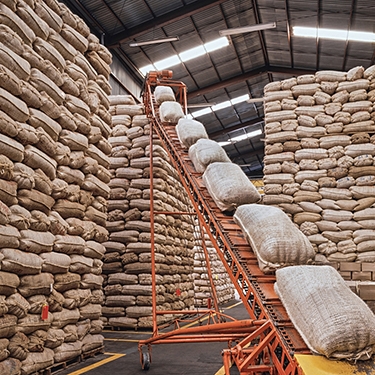
On behalf of a Canadian oilseed processer WPI's team provided market analysis, econometric modeling and financial due diligence in support of a $24 million-dollar investment in a Ukrainian crush plant. Consistent with WPI's findings, local production to supply the plant and the facility's output have expanded exponentially since the investment. WPI has conducted parallel work on behalf of U.S., South American and European clients, both private and public, in the agri-food space.