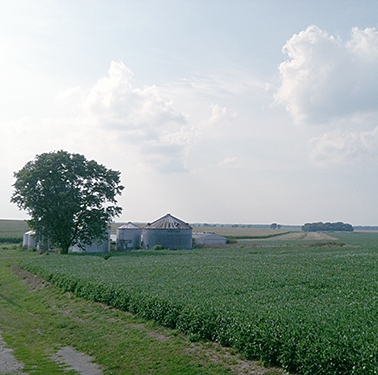
The U.S. hard red winter wheat crop is on the verge of a total collapse for several reasons, including:
As much as 40 percent of the entire HRW region of the southern Plains hasn’t had meaningful (in some areas zero) precipitation in six months. Fall crop stands were planted in very dry soil conditions. Emergence is sparse, and root development is poor. Temperatures collapsed to below zero on several occasions as far south as Oklahoma, and there was no snow cover to protect the crop. It has been warm and windy across most of the southern Plains for the past month. Most of the crop broke dormancy earlier than normal, which is not good when it occurs under such conditions.
Crop condition ratings reflect these issues with 64 per...



 What You Need to Know Today: Russia rejected calls for a ceasefire in the Black Sea, including a proposal to halt attacks on civilian shipping that could help restore grain flows from Ukrainian ports. Tyson Foods announced plans to permanently close its Joslin, Illinois, beef processing facili...

 The big news in the cattle markets yesterday was Tyson Foods’ move to close two more beef plants. One of them, the Joslin, Illinois, plant was shuttered immediately after the announcement. The other, in Eagle Mountain, Utah, is a case-ready plant that does not slaughter cattle. Tyson also...

 The Bureau of Labor Statistics (BLS) released the Consumer Price Index (CPI) on Wednesday. In July, the CPI rose 0.1 percent, seasonally adjusted, and rose 3.4 percent over the last 12 months, not seasonally adjusted. The index for all items less food and energy, or the “core” infla...