
Siloed Everywhere International trade has become moral, geopolitical, and nationalistic, and so has local commerce. Global trade is now based on perceived and relative practices such as human rights, animal welfare, labor, environmental protection, etc. Don’t trade with autocrat regimes like China or Russia. There is Make in India, Buy America, food sovereignty, etc. This has crept down to state and local affairs. California dictates how hogs are produced in Iowa and bans state-funded travel to Texas. Fights over abortion, immigration and other issues pour over red versus blue states, and between cities and rural areas. All of it worsening economic outcomes but unlikely to go away anytime soon. Separately, EU plans to punish a...



 What You Need to Know Today: A third U.S. border crossing (Columbus, New Mexico) has reopened to Mexican cattle imports following nearly two years of restrictions related to New World screwworm. The reopening could gradually improve feeder cattle availability, although more than 60 confi...

 Yesterday, the USDA’s Agricultural Marketing Service (AMS) released a new report of negotiated cash purchases of cattle under the mandatory price report. The report included Colorado, New Mexico, Oklahoma, Texas, and Kansas. The goal of the report was to solve the confidentiality issues e...

 Key Takeaways: U.S. soybean crushing began in 1911 and saw its most rapid expansion during the 1930s amid the broader agricultural and technology revolutions of the time. After peaking in the early 2000s, the soybean crushing industry went through a downturn as poor crush margins forced...

From WPI Consulting
Forecasting developments in production agriculture
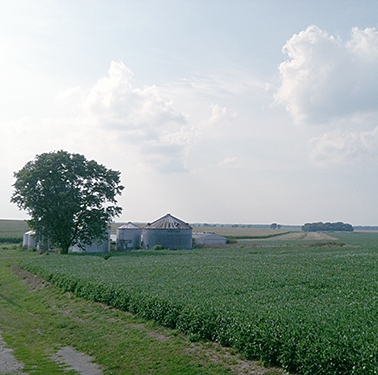
On behalf of a private U.S. agricultural technology provider, WPI’s team generated an econometric model to forecast the movement of concentrated corn production north and west from the traditional U.S. Corn Belt. WPI’s model has subsequently provided quantitative support to a multi-million-dollar investment into short-season corn variety development. WPI’s methodology included a series of interviews with regional grain elevators and seed consultants. Emphasizing outreach and communication with stakeholders who possess intimate sectoral knowledge – on-the-ground insights – is a regular component of WPI’s methodologies, made possible by WPI’s ever-growing network of industry contacts.