
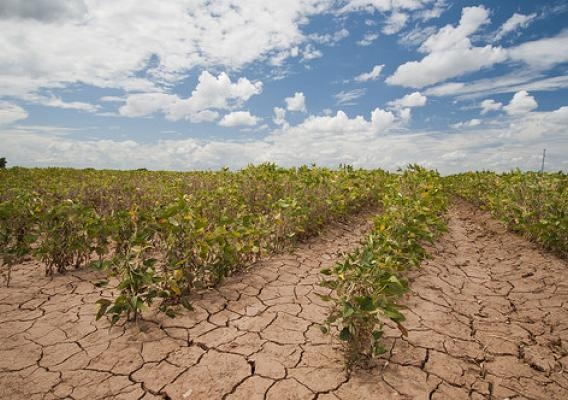
Argentina’s La Nina-related drought has increasingly grabbed market headlines since late December. The rains that had been predicted for that country’s crop areas during the last few days were disappointing, both in terms of amounts and coverage. Dry conditions have returned with only a very limited chance of widely-scattered showers during the next several days, and temperatures will turn hotter again this week. Much of the Argentine soybean crop is in its reproductive stage, and rain is needed right now to prevent further production loss. Unfortunately, nothing significant is expected for the next 10 days. Under the circumstances, trying to estimate final Argentine crop production is now like trying to hit a moving target. Th...



 What You Need to Know Today: Commodities were mostly lower across the board today after yesterday’s Federal Reserve meeting hinted at a potential interest rate hike later in 2026. The dollar index reached its highest level in over a year, and a strong dollar makes U.S. agricultural expor...
 Tomorrow is the Juneteenth federal holiday, and the USDA, along with the rest of the federal government and the CME, will be closed, so the monthly Cattle on Feed report was released a day early. The total number of cattle on feed in feedlots with 1,000 head or more capacity on 1 June amounted...

From WPI Consulting
Communicating importance of value-added products

Facing increasing pressure to quantify the value of export promotion efforts to investors, a U.S. industry organization retained WPI to develop a quantitative model that better communicated the importance of exports. The resulting model concluded that value-added meat exports contributed $0.45 cents per bushel to the price of corn, increasing support for that sector’s financial support of WPI’s client. In addition to serving the red meat industry with this type of analysis, WPI has generated similar deliverables for the U.S. soybean and poultry/egg industries.