Key Takeaways:
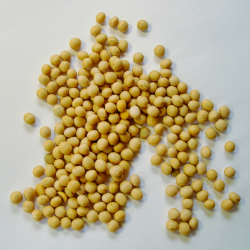
The expansion of biofuel-driven soybean crushing was expected to increase soymeal supplies and pressure prices as soyoil became a larger driver of crush economics, but soymeal has instead retained considerable value. Strong domestic and global feed demand has helped absorb additional soymeal production, while the gradual expansion of U.S. crush capacity has prevented the sudden wave of new supplies that some had anticipated. U.S. soymeal exports have grown at a compound annual rate of roughly 7.0 percent over the past decade, compared with 3.9 percent growth in production, increasing exports from about 26 percent to nearly 35 percent of total production. Competing vegetable oils have helped satisfy growing biofuel demand wit...



 Markets have no shortage of headlines today, but the reaction depends on what sits underneath them. Strong economic growth comes with renewed inflation pressure. Higher crude inventories do little to solve tight diesel supplies. Rain is delaying one crop while helping another, and trade expecta...
 Key Takeaways: DDGS prices have been pushing higher this summer as corn, soybean meal, and other feedstuff values have surged amid strong export demand and supply concerns. WPI’s models anticipate additional gains for DDGS values heading into early 2027, with FOB plant prices reach...
 Key Takeaways: China has made significant progress toward corn self-sufficiency, with production projected to reach a record 307.0 MMT in 2026/27 while imports have fallen sharply from their 29.5 MMT peak in 2020/21. Strengthening food security has become an important priority for China, with...