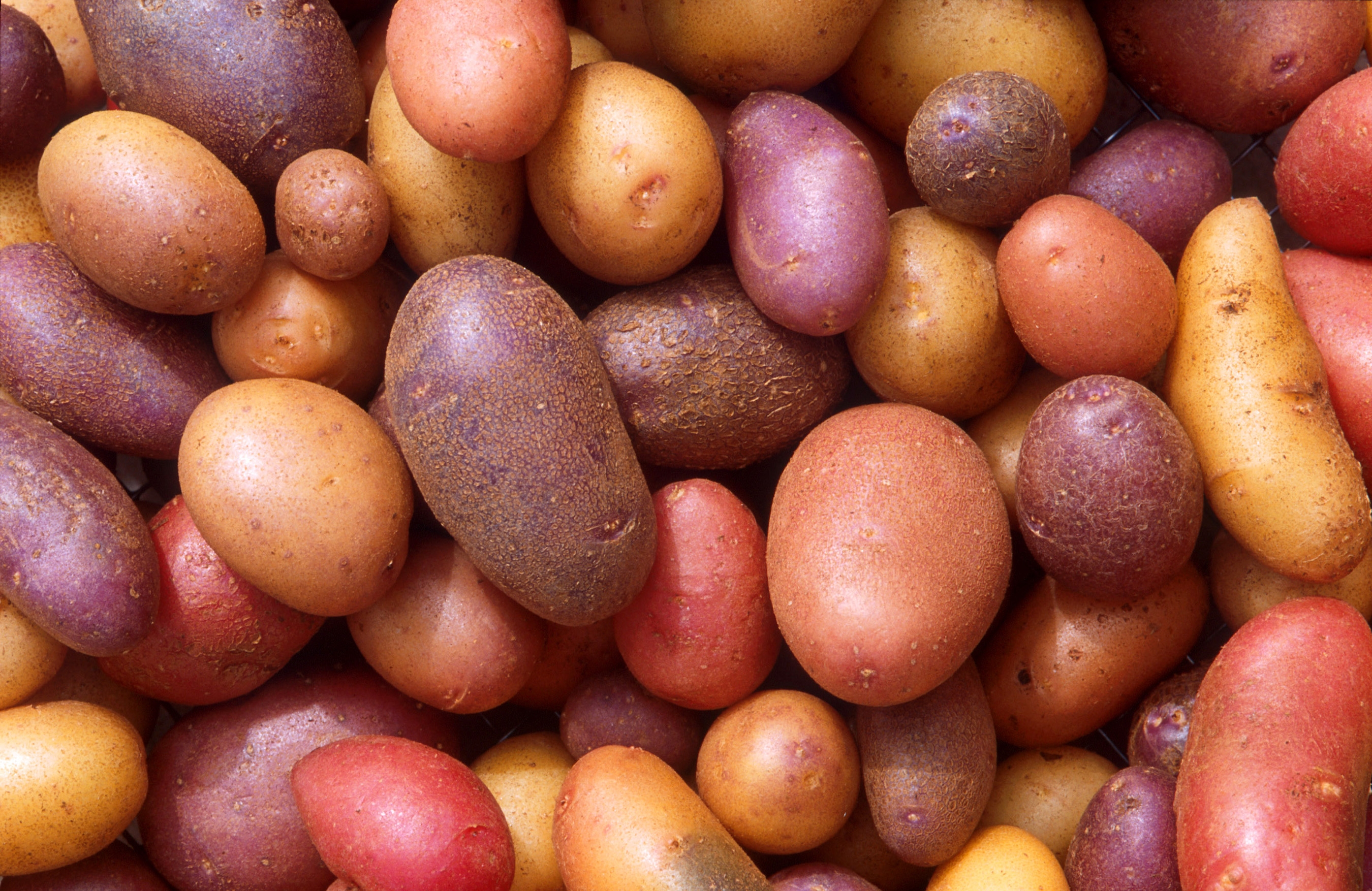
Although Walmart sells more groceries, Kroger is the largest grocery chain in the U.S. and some things on its list of documented food trends in 2020 will concern health specialists. The effort to avoid contracting COVID by staying home included increased consumption of flavored potato chips. Also on the list were fresh burger patties and Mexican cheese blend, all washed down with more Sauvignon Blanc wine. Perhaps to the healthier side, the largest increase in food demand was for zero-calorie cola. Potatoes and burgers are comfort food in the U.S., but potato production is growing more rapidly in the rest of the world. U.S. production expanded an average 0.45 percent/year over the past decade whereas for the rest of the world it grew...



 What You Need to Know Today: Russia rejected calls for a ceasefire in the Black Sea, including a proposal to halt attacks on civilian shipping that could help restore grain flows from Ukrainian ports. Tyson Foods announced plans to permanently close its Joslin, Illinois, beef processing facili...

 The big news in the cattle markets yesterday was Tyson Foods’ move to close two more beef plants. One of them, the Joslin, Illinois, plant was shuttered immediately after the announcement. The other, in Eagle Mountain, Utah, is a case-ready plant that does not slaughter cattle. Tyson also...

 The Bureau of Labor Statistics (BLS) released the Consumer Price Index (CPI) on Wednesday. In July, the CPI rose 0.1 percent, seasonally adjusted, and rose 3.4 percent over the last 12 months, not seasonally adjusted. The index for all items less food and energy, or the “core” infla...

From WPI Consulting
Communicating importance of value-added products

Facing increasing pressure to quantify the value of export promotion efforts to investors, a U.S. industry organization retained WPI to develop a quantitative model that better communicated the importance of exports. The resulting model concluded that value-added meat exports contributed $0.45 cents per bushel to the price of corn, increasing support for that sector’s financial support of WPI’s client. In addition to serving the red meat industry with this type of analysis, WPI has generated similar deliverables for the U.S. soybean and poultry/egg industries.