


Earlier this week (see WPI 11 December) we wrote that the potential reinstatement of the biodiesel blenders' tax credit could impact Brazilian sugar ethanol imports into the United States. Today we look at the Brazilian ethanol industry's problems maintaining its profitability.Ethanol producers in the United States sell their product to be blended with gasoline that is privately refined and marketed. In Brazil, however, ethanol makers deal with a government-owned entity, Petrobras. Unlike private oil companies that want to maximize their profits, Petrobras wants stable prices at the pump to keep taxpayers happy. There is in fact a cap on gas prices that Petrobras subsidizes. This cap comes at a cost to both Petrobras and cane ethanol refi...


 Yesterday, Alberta held a referendum on whether to begin the process toward independence from Canada. With more than one million votes counted as of early Tuesday morning, around 77 percent supported remaining in Canada, and 23 percent voted to start the process of separation, according to unof...


 What You Need to Know Today: Harvest pressure in the U.S. sent corn and soybeans lower as supplies increased and there were signs USDA’s upward revisions to yields in the October WASDE could be close to right. The conflict between Russia and Ukraine escalated over the weekend, with Ukrai...
 Key Takeaways: India is excluding sugarcane juice, sugar syrup, and B-heavy molasses from its 2026/27 fuel ethanol procurement program to protect domestic sugar supplies, potentially shifting additional demand toward corn and rice. India’s corn consumption for ethanol has surged from jus...

From WPI Consulting
Forecasting developments in production agriculture
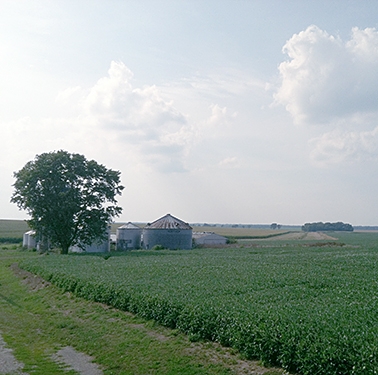
On behalf of a private U.S. agricultural technology provider, WPI’s team generated an econometric model to forecast the movement of concentrated corn production north and west from the traditional U.S. Corn Belt. WPI’s model has subsequently provided quantitative support to a multi-million-dollar investment into short-season corn variety development. WPI’s methodology included a series of interviews with regional grain elevators and seed consultants. Emphasizing outreach and communication with stakeholders who possess intimate sectoral knowledge – on-the-ground insights – is a regular component of WPI’s methodologies, made possible by WPI’s ever-growing network of industry contacts.