



Depending on global commodity supply/demand balances, crop prices tend to decline at harvest and then rise as the marketing year progresses and surplus supplies decline. During the COVID year of 2020, commodity futures began rising ahead of the new crop harvest and then continued rising. In 2021, major commodity values tended to decline as the year progressed, with soybeans staging a rally after the new crop was cleared from the fields. Thus far in 2022, commodity values have been rising as crop stores have become depleted, but in a much more exaggerated fashion due to the potential loss of supplies from Ukraine. If there is a so-called supercycle, the super side of it is strongly influence by the war. ...



From WPI Consulting
Illuminating the value of technical research
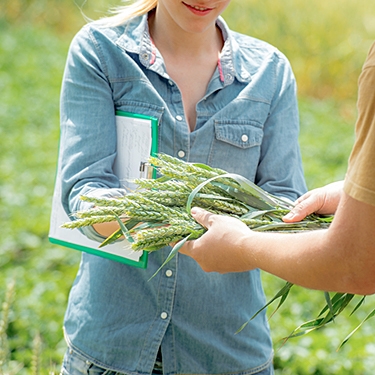
On behalf of a commodity producer organization, WPI evaluated the outputs from a project that featured a $5 million investment into technical research over multiple years. WPI’s team captured the results of this extensive effort and synthesized them for presentation to the organization’s governing board; among the findings uncovered and presented for the first time was the development of genomic traits proven, via rigorous testing, to provide crop yield advantages of 50 percent or more to U.S. farmers in times of drought. Capturing measurable results from long-term efforts can be challenging. Educating clients on the dynamics of success measurement when quantifiable results are not readily available requires deep client-consultant collaboration and an ability to consider both near- and long-term client aspirations with market/policy dynamics – attributes that WPI brings to every consulting engagement.