

World sugar prices have begun to moderate after hitting a multi-year high in 2023. The high of $0.28/pound last year was the highest price since 2011, but well below the $0.65/pound experienced in 1974. In real terms, sugar was the equivalent of $4.00/pound that year. That year also saw the largest percentage change caused by a large number of factors including bad harvests in Europe and Cuba that prompted speculative purchases, especially by Arab nations and the Soviet Union. Sugarcane produces slightly more energy per acre than corn and can be more profitable to grow. Overall, sugar prices are less volatile than they used to be. Although global ending stocks have been falling over the past three years, the longer trend has been a C...



 Key Takeaways: Demand and capacity decide where milk growth lands. Italian cheese is up 4.2 percent in 2026, and milk output is growing fastest in Kansas, South Dakota and Texas, where the new plants are located. Price spreads decide where the marginal milk goes. The Class IV premium over Clas...


 Markets are caught between reasons to keep selling and reasons to take another look. Fund liquidation and renewed peace talks are pressuring grains, while fresh export business and some diesel relief offer encouragement. Corn recovered nearly 10 cents from its low to finish higher, while soybea...

 Key Takeaways: President Trump announced $8 billion in additional agricultural assistance through the Harvest Fuel Relief Program, as USDA projects farm fuel and oil expenses will increase 28.8 percent in 2026. The package follows $12 billion in earlier relief, while government farm payments w...

From WPI Consulting
Infrastructure investment due diligence
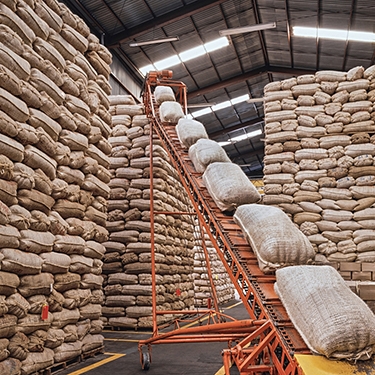
On behalf of a Canadian oilseed processer WPI's team provided market analysis, econometric modeling and financial due diligence in support of a $24 million-dollar investment in a Ukrainian crush plant. Consistent with WPI's findings, local production to supply the plant and the facility's output have expanded exponentially since the investment. WPI has conducted parallel work on behalf of U.S., South American and European clients, both private and public, in the agri-food space.