
USDA’s forecast for U.S. corn use in 2020/21 may be as over-optimistic as its prediction for 2019/20 corn exports, but at this juncture prices have not worked as low as WPI is thinking they should go. In relative terms, the 2020/21 stocks to use ratio is well below levels experienced in the mid-1980’s and no one wants to relive those days. They required the introduction of supply controls and involved a lot of bankruptcies. More instructive from the historical perspective is that large ending stocks eventually decline but sharp drops are not the norm. The 70 percent drop between 1982/83 and 1983/84 was due to one of the most severe droughts of the century and not because of a miraculous burst in demand. This may not even...


 Key Takeaways: Dry bulk markets remain mixed with Capesize vessels seeing continued pressure from weaker demand while fixtures and rate strength gradually increases towards the smaller vessel classes. Tanker markets are pulling back from their recent highs as tonnage moves out of the Mid...

 The Trump import plan for 300,000 MT of beef supplies used for ground beef, i.e., lean trim, from September through November has, according to Secretary Brooke Rollins, brought some relief to beef prices. The Executive Order states that the Secretary of Agriculture will analyze and review the m...
 Key Takeaways: Texas illustrates the assumptions underlying the 2025 FMMO reform; Idaho exposes their limitations. The Southwest order blend (roughly 27 percent Class I, 32 percent Class III and 31 percent Class IV) exposes Texas producers to every lever USDA adjusted, with a near-neutral proj...


From WPI Consulting
Infrastructure investment due diligence
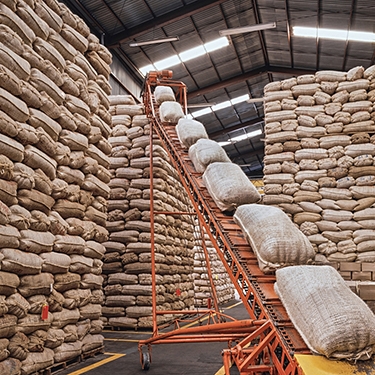
On behalf of a Canadian oilseed processer WPI's team provided market analysis, econometric modeling and financial due diligence in support of a $24 million-dollar investment in a Ukrainian crush plant. Consistent with WPI's findings, local production to supply the plant and the facility's output have expanded exponentially since the investment. WPI has conducted parallel work on behalf of U.S., South American and European clients, both private and public, in the agri-food space.