
Analysts are noting that Afghanistan is not the same country today that it was when the Taliban last ruled the nation during 1996 – 2001. Back then there was no electricity, let alone cell phones and televisions. This is even more true when it comes to some of the essentials of life such as access to nutrition, clean water, and basic sanitation. The life of the average Afghan has improved and the test for the Taliban is keeping the citizenry content without the advantage of billions of dollars in aid from the west. There has been a 60 percent increase in Afghanistan’s gross agricultural production over the past 20- years. Production is likely to slip if the Taliban retains the governance approach it used in the late 1990&...



 Key Takeaways: On Friday afternoon, President Trump announced that Russia will “immediately supply over 300,000 Tons of Diesel Fuel” to the United States. The deal, typical of this administration, is light on details but promises an additional 500,000 tons in November and 1 m...


 The USDA has lowered its 2026 red meat production forecasts slightly while forecasting a slight increase in broiler production. Beef is now projected at 24.802 billion pounds, 75 million pounds less than in September. Cow slaughter is expected to be up; however, this will be offset by lower ste...
 The Trump import plan for 300,000 MT of beef supplies used for ground beef, i.e. lean trim, from September through November has, according to Secretary Brooke Rollins, brought some relief to beef prices. The Executive Order states that the Secretary of Agriculture will analyze and review the ma...

From WPI Consulting
Forecasting developments in production agriculture
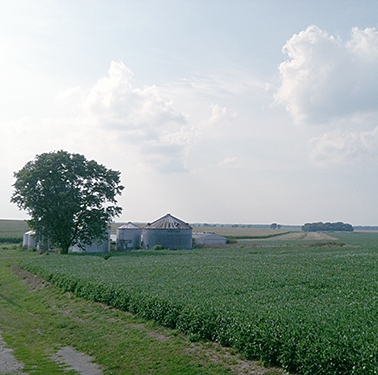
On behalf of a private U.S. agricultural technology provider, WPI’s team generated an econometric model to forecast the movement of concentrated corn production north and west from the traditional U.S. Corn Belt. WPI’s model has subsequently provided quantitative support to a multi-million-dollar investment into short-season corn variety development. WPI’s methodology included a series of interviews with regional grain elevators and seed consultants. Emphasizing outreach and communication with stakeholders who possess intimate sectoral knowledge – on-the-ground insights – is a regular component of WPI’s methodologies, made possible by WPI’s ever-growing network of industry contacts.