
Tariff Impacts Calculating the impacts of President Trump’s tariffs is heavy fodder for economists. Many made predictions about their impacts long before the rubber even met the road. Predictions of a tariff-caused recession have been debunked, and there is little impact on inflation. Now there is heavy circulation of analyses asserting that American consumers have borne the cost. The assertion has brought White House criticism of the Fed’s economists for saying so. What is clear is that international trade has been more broadly affected, whether directly by tariffs or not. American consumers are importing less, and the U.S. trade deficit is declining. The earnings of foreign corporate suppliers have declined. There are a...


 Commodity markets moved in the same direction today, although the reasons behind the weakness are anything but simple. Metals, energy and grains all faced selling pressure, while cattle managed to move against the broader trend. What makes this particularly interesting is that these markets hav...
 Key Takeaways: China’s lagging agricultural purchases have attracted considerable attention, but the broader impact on U.S. agricultural exports may be overstated. China’s $17 billion annual non-soybean purchase commitment represents a return to historical trade levels that may no...

 Key Takeaways: Biodiesel demand will continue to drive the U.S. soy complex and provide a supportive environment for expanding both soybean production and utilization. WPI expects U.S. biofuel producers to use roughly 20 billion pounds of soyoil in 2027/28, up from 17.8 billion in 2026/2...

From WPI Consulting
Infrastructure investment due diligence
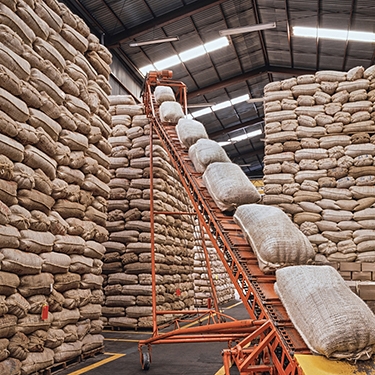
On behalf of a Canadian oilseed processer WPI's team provided market analysis, econometric modeling and financial due diligence in support of a $24 million-dollar investment in a Ukrainian crush plant. Consistent with WPI's findings, local production to supply the plant and the facility's output have expanded exponentially since the investment. WPI has conducted parallel work on behalf of U.S., South American and European clients, both private and public, in the agri-food space.