



SPREADS July crush trades higher from lows of 75c/bu to 85c/bu with oilshare just under 31.0% to 30.91%. July /Dec corn trades into 13 1/2c from 14c while May/July wheat trades from into 13 3/4c from 14 1/2c. July /Nov beans trades from 5 3/4c to 6 3/4c. July wheat/corn trades from 1.83c down to 1.79c. July/Dec meal trades into $4.70 from $5.10. PALM OIL Malaysian cash offers for June delivered RBD palm oil and olein traded down $2.50 /mt lower at $517.50/mt and $520.00/mt, respectively. NEWS Stocks are down over 245 pts. as more global concerns about economies continues. More than 2.9 mln workers applied for unemployment benefits last week, with 36.5 mln total applications in two months of th...


 Key Takeaways: Dry bulk markets remain mixed with Capesize vessels seeing continued pressure from weaker demand while fixtures and rate strength gradually increases towards the smaller vessel classes. Tanker markets are pulling back from their recent highs as tonnage moves out of the Mid...

 The Trump import plan for 300,000 MT of beef supplies used for ground beef, i.e., lean trim, from September through November has, according to Secretary Brooke Rollins, brought some relief to beef prices. The Executive Order states that the Secretary of Agriculture will analyze and review the m...
 Key Takeaways: Texas illustrates the assumptions underlying the 2025 FMMO reform; Idaho exposes their limitations. The Southwest order blend (roughly 27 percent Class I, 32 percent Class III and 31 percent Class IV) exposes Texas producers to every lever USDA adjusted, with a near-neutral proj...

From WPI Consulting
Forecasting developments in production agriculture
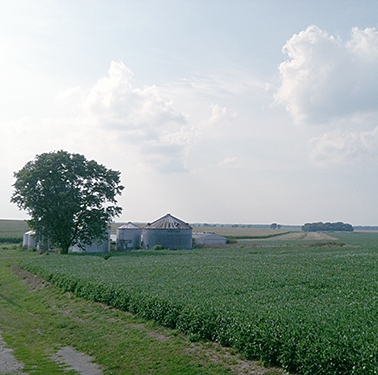
On behalf of a private U.S. agricultural technology provider, WPI’s team generated an econometric model to forecast the movement of concentrated corn production north and west from the traditional U.S. Corn Belt. WPI’s model has subsequently provided quantitative support to a multi-million-dollar investment into short-season corn variety development. WPI’s methodology included a series of interviews with regional grain elevators and seed consultants. Emphasizing outreach and communication with stakeholders who possess intimate sectoral knowledge – on-the-ground insights – is a regular component of WPI’s methodologies, made possible by WPI’s ever-growing network of industry contacts.