


U.S. soybean derivatives are essentially the only exchange-traded hedging vehicle available to the world soybean market. It works when circumstances allow it to, but there are some potentially severe out-of-position risks involved.We tend to think of the cultivation of soybeans as being relatively new compared to wheat, barley and other grains. However, they have been grown by Chinese farmers since before recorded history. It is actually quite possible that China's soybean cultivation began earlier than the prehistoric production of wheat-like grain as a crop in the Tigris River valley. Soybeans also have a longer history in the U.S. than is generally acknowledged. They were first introduced here in 1765, and a form of soy sauce produced in...


 What You Need to Know Today: U.S. weather is getting more attention this week as conditions vary greatly across the western, central, and eastern corn belts, with the different regions battling dryness and too much rain simultaneously. The ProFarmer Crop Tour began today in Indiana and Nebrask...

 Key Takeaways: Argentina is on pace for a record corn crop and record exports in the current marketing year, with abundant supplies likely to keep the country highly competitive in global export markets. Argentina’s record exportable surplus is allowing it to offer highly competitive pri...

From WPI Consulting
Infrastructure investment due diligence
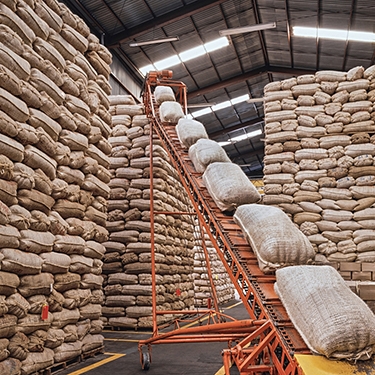
On behalf of a Canadian oilseed processer WPI's team provided market analysis, econometric modeling and financial due diligence in support of a $24 million-dollar investment in a Ukrainian crush plant. Consistent with WPI's findings, local production to supply the plant and the facility's output have expanded exponentially since the investment. WPI has conducted parallel work on behalf of U.S., South American and European clients, both private and public, in the agri-food space.