
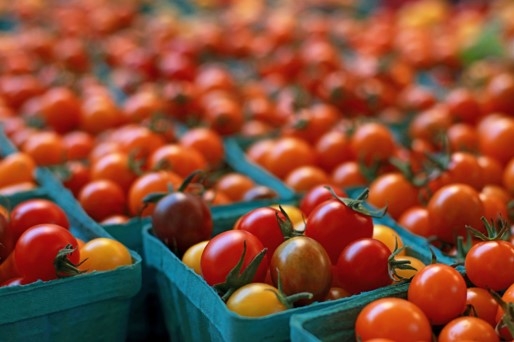
U.S. and Mexican trade officials meet in Washington this Friday for the annual bilateral economic dialogue. Labor rights, automobile domestic content, and maybe GMO corn are likely topics. Another will be tomatoes. American tomato growers and their members of Congress are demanding that the Biden Administration end a so-called suspension agreement negotiated by the Trump Administration in 2019. That agreement ended punitive safeguard tariffs in exchange for Mexico applying volume controls on it exports to the U.S. Of the half dozen different types of fresh tomato imports, imports of four types fell between 2020 and 2022. However, imports of whole tomatoes grew over 50 percent and round tomatoes are up more than 230 percent. Thus far in 202...



 Key Takeaways: Demand and capacity decide where milk growth lands. Italian cheese is up 4.2 percent in 2026, and milk output is growing fastest in Kansas, South Dakota and Texas, where the new plants are located. Price spreads decide where the marginal milk goes. The Class IV premium over Clas...


 Markets are caught between reasons to keep selling and reasons to take another look. Fund liquidation and renewed peace talks are pressuring grains, while fresh export business and some diesel relief offer encouragement. Corn recovered nearly 10 cents from its low to finish higher, while soybea...

 Key Takeaways: President Trump announced $8 billion in additional agricultural assistance through the Harvest Fuel Relief Program, as USDA projects farm fuel and oil expenses will increase 28.8 percent in 2026. The package follows $12 billion in earlier relief, while government farm payments w...

From WPI Consulting
Communicating importance of value-added products

Facing increasing pressure to quantify the value of export promotion efforts to investors, a U.S. industry organization retained WPI to develop a quantitative model that better communicated the importance of exports. The resulting model concluded that value-added meat exports contributed $0.45 cents per bushel to the price of corn, increasing support for that sector’s financial support of WPI’s client. In addition to serving the red meat industry with this type of analysis, WPI has generated similar deliverables for the U.S. soybean and poultry/egg industries.