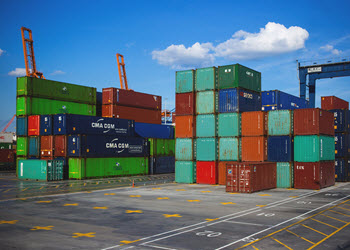
Yesterday, President Trump announced from the Oval Office a trade deal “in principle” with the UK, the first of its kind following the reciprocal tariffs imposed by the U.S. While details are still lacking, according to the Administration, the agreement includes increased market access of more than $700 million for ethanol exports and $250 million on other ag products. It will also include streamlined customs procedures for U.S. exports. Ag Secretary Brooke Rollins noted that ethanol tariffs are reduced from 19 to 0 percent, and new access for beef also hailed as a success, and “as we move forward, I know our incredible trade team is looking at all the meats, all of the produce, really all of our agriculture exports.&rdquo...



 What You Need to Know Today: Headlines emerging from negotiations between President Trump and President Xi were relatively limited, with a more substantive announcement expected Monday. U.S. Trade Representative Jamieson Greer indicated that additional details related to agricultural trade cou...

 The heat of summer is now transitioning into more moderate temperatures, and the next two months have the busiest marketing periods of the year for replacement cattle. Weather always influences the replacement cattle market, and the primary grain belt in the Southern Plains, where many cattle a...


 Key Takeaways: Diesel accounts for about 64 percent of U.S. farm fuel spending. For farmers, the pressing question is what a higher price adds to each field operation. Iowa farm diesel averaged $5.50/gallon in September, compared with the $2.89/gallon Iowa State assumed for its February machin...

From WPI Consulting
Communicating importance of value-added products

Facing increasing pressure to quantify the value of export promotion efforts to investors, a U.S. industry organization retained WPI to develop a quantitative model that better communicated the importance of exports. The resulting model concluded that value-added meat exports contributed $0.45 cents per bushel to the price of corn, increasing support for that sector’s financial support of WPI’s client. In addition to serving the red meat industry with this type of analysis, WPI has generated similar deliverables for the U.S. soybean and poultry/egg industries.