As you probably guessed, the ongoing conflict in the Middle East continues to drive market sentiment for energy markets and tanker vessel rates. While there have been several developments in the region this week, the big picture factors are the same: the Strait of Hormuz is all but sealed to vessel traffic and global energy and fertilizer supplies are shrinking rapidly. Most analysts are now pricing in a higher-for-longer outlook for crude oil, natural gas, and fertilizer prices until the Strait reopens and lost energy production capacity comes back online. One interesting development this week...



 Inflation is back in the driver’s seat, and agriculture is getting pulled in two directions. A stronger dollar is pressuring grains despite fresh Chinese buying, while renewed Middle East attacks lift crude oil. Higher energy prices can support commodities, but they also raise expenses an...
 Regional News European grocery stores have been targeted by cybersecurity attacks this week, with major retailers in France and the Netherlands affected. In France, major grocers, including Carrefour, Intermarché, and Coopérative U, all suffered attacks in which freezer and...

 Key Takeaways: The EPA has proposed reallocating 770 million RINs associated with Small Refinery Exemptions (SREs), either splitting the volume equally between 2026 and 2027 or assigning the full amount to 2027. The agency granted exemptions covering 1.76 billion RINs for 2025, substantially e...

From WPI Consulting
Forecasting developments in production agriculture
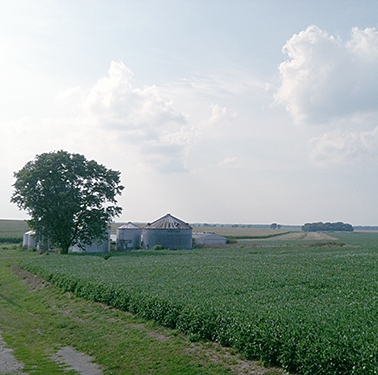
On behalf of a private U.S. agricultural technology provider, WPI’s team generated an econometric model to forecast the movement of concentrated corn production north and west from the traditional U.S. Corn Belt. WPI’s model has subsequently provided quantitative support to a multi-million-dollar investment into short-season corn variety development. WPI’s methodology included a series of interviews with regional grain elevators and seed consultants. Emphasizing outreach and communication with stakeholders who possess intimate sectoral knowledge – on-the-ground insights – is a regular component of WPI’s methodologies, made possible by WPI’s ever-growing network of industry contacts.