In their report, “China's Import Potential for Beef, Corn, Pork, and Wheat,” Economic Research Service analysts correctly note that the Middle Kingdom maintains large technical barriers to U.S. agricultural exports. They note the large spread in prices between China and the U.S. on basic commodities (see graph below). Indeed, barriers are why U.S. agricultural exports to China are up 6 percent this fiscal year but China’s food exports to the U.S. are up 24 percent for the same period. It is also one of the reasons the U.S. is projected to run an overall agricultural trade deficit in 2023. However, none of this information is going to change reality because other countries prize self-sufficiency, and none more than China...



From WPI Consulting
Infrastructure investment due diligence
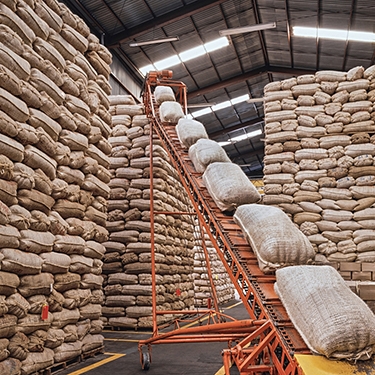
On behalf of a Canadian oilseed processer WPI's team provided market analysis, econometric modeling and financial due diligence in support of a $24 million-dollar investment in a Ukrainian crush plant. Consistent with WPI's findings, local production to supply the plant and the facility's output have expanded exponentially since the investment. WPI has conducted parallel work on behalf of U.S., South American and European clients, both private and public, in the agri-food space.