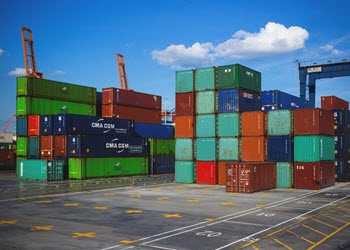
USDA has targeted select foreign markets for increased attention this year, including sending trade missions to solicit sales. The success to date has been mixed. In part this is due to head winds such as the high value of the dollar and slower economic growth in countries impacted by the trade war. North America continues to perform positively, whereas Asian markets reflect some of the previously mentioned hurdles. Ghana is such a small market currently that the change means little in the total picture of U.S. agricultural exports. The combination of slower global economic growth and the imposition of retaliatory duties against U.S. food exports are the two largest factors stalling the sector’s ability to build trade demand...



 What You Need to Know Today: The conflict between the U.S. and Iran continues to escalate with the two sides exchanging attacks over the weekend. President Trump said Iran “will pay” for recent attacks that claimed the lives of U.S. troops stationed in Jordan. There are some signs...

 Key Takeaways: Russia’s diesel export ban is tightening global fuel supplies and increasing dependence on alternative exporters. Limited refining capacity and logistical constraints make diesel markets especially sensitive to supply disruptions. Diesel supply disruptions are more difficu...

From WPI Consulting
Communicating importance of value-added products

Facing increasing pressure to quantify the value of export promotion efforts to investors, a U.S. industry organization retained WPI to develop a quantitative model that better communicated the importance of exports. The resulting model concluded that value-added meat exports contributed $0.45 cents per bushel to the price of corn, increasing support for that sector’s financial support of WPI’s client. In addition to serving the red meat industry with this type of analysis, WPI has generated similar deliverables for the U.S. soybean and poultry/egg industries.