
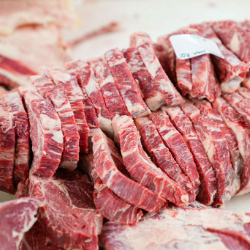
As WPI reported on 21 August and on 27 August, President Trump has announced a 90-day window during which up to 300,000 metric tons of product for ground beef could be imported without out-of-quota tariffs, which stand at 26.4 percent, allowing them in at 4.4 cents per kg, a move aimed at bringing down costs for American consumers. The plan would go into effect tomorrow, opening 100,000 MT per month for September, October, and November. The move to allow more imports has proven controversial, with many cattlemen and some Republican lawmakers complaining that it is a short-term bandage approach to a long-term problem. According to the Bureau of Labor Statistics (BLS), ground beef averages $6.88 per pound at retail right now, up more than 10...


 Markets are caught between reasons to keep selling and reasons to take another look. Fund liquidation and renewed peace talks are pressuring grains, while fresh export business and some diesel relief offer encouragement. Corn recovered nearly 10 cents from its low to finish higher, while soybea...

 Key Takeaways: President Trump announced $8 billion in additional agricultural assistance through the Harvest Fuel Relief Program, as USDA projects farm fuel and oil expenses will increase 28.8 percent in 2026. The package follows $12 billion in earlier relief, while government farm payments w...

 Key Takeaways: A student group from the University of Chicago is protesting to bring back onion futures trading. Trading in onion futures was banned in 1958 following a spectacular bout of market manipulation that resulted in a corner of the physical market. The ban on onion futures led t...

From WPI Consulting
Communicating importance of value-added products

Facing increasing pressure to quantify the value of export promotion efforts to investors, a U.S. industry organization retained WPI to develop a quantitative model that better communicated the importance of exports. The resulting model concluded that value-added meat exports contributed $0.45 cents per bushel to the price of corn, increasing support for that sector’s financial support of WPI’s client. In addition to serving the red meat industry with this type of analysis, WPI has generated similar deliverables for the U.S. soybean and poultry/egg industries.