World Perspectives
feed-grains soy-oilseeds wheat

Ukraine Miniseries: Part II

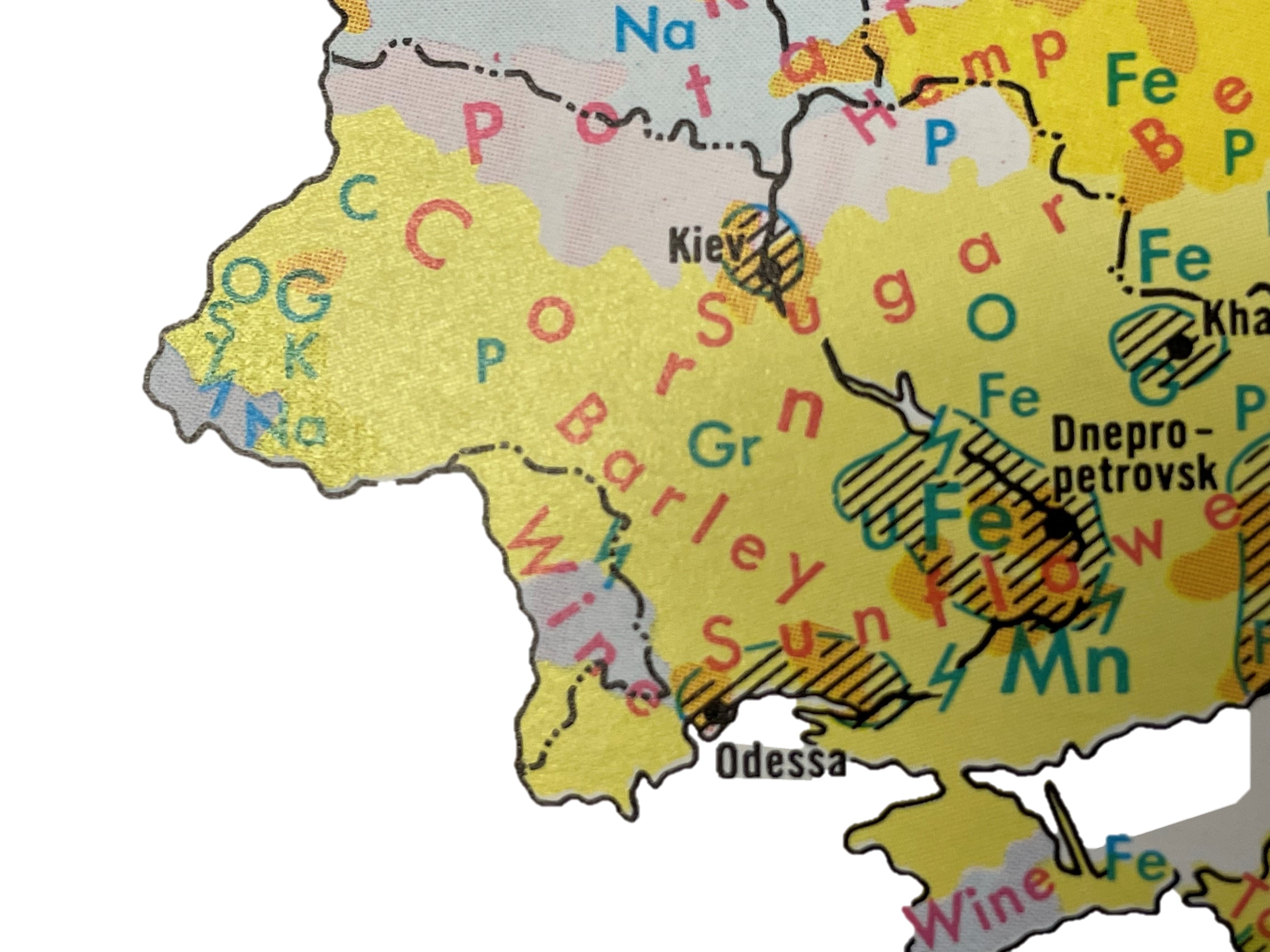
This is the second in a three-part series of reports from WPI’s analysts in Ukraine. This article involves their opinion of Ukrainian agriculture in the weeks ahead. Looking Inward Crop Substitution: Russia may not change its crop production focus for the upcoming campaign, but Ukrainian farmers will alter what they plant. They will grow anything that costs them less. Some have already given up on planting sugar beets. There will also be less corn, sunflower, and wheat. The rapeseed planted in the fall is not impacted. In western Ukraine, they are sticking to what they do, planting potatoes and other local crops. Some suggest this is about what can be exported but fundamentally it is about what a farmer with dwindling money can plan...

Related Articles
feed-grains soy-oilseeds wheat

Middle East, Mediterranean, and Africa Regional Analysis

London based GAFTA – Grain and Feed Trade Association – advises that in 2024/25 they had 314 new mainly grain arbitrations and 43 appeals. 170 arbitrations were finalized while 46 were settled outside of arbitration. The average cost for an arbitration, under rule 125 for a GAFTA me...

feed-grains soy-oilseeds wheat

Market Commentary: Yield, Acreage Increases Sink Corn, Soybeans

The CBOT came under heavy selling pressure following the January WASDE as USDA unexpectedly increased U.S. corn acreage and yields. The USDA also added area to the soybean harvested and made a bearish cut to U.S. wheat demand, moves which sent all of the major commodity futures markets sharply...

feed-grains

WASDE Corn - Jan 2026

USDA’s Jan estimate for 2025/26 U.S. corn is for larger production and higher feed residual usage to result in greater ending stocks: Corn production is estimated at 17.0 billion bushels, up 269 million on a 0.5-bushel increase in yield to 186.5 bushels per acre and a 1.3-million acre ris...

feed-grains soy-oilseeds wheat

Middle East, Mediterranean, and Africa Regional Analysis

London based GAFTA – Grain and Feed Trade Association – advises that in 2024/25 they had 314 new mainly grain arbitrations and 43 appeals. 170 arbitrations were finalized while 46 were settled outside of arbitration. The average cost for an arbitration, under rule 125 for a GAFTA me...

feed-grains soy-oilseeds wheat

Market Commentary: Yield, Acreage Increases Sink Corn, Soybeans

The CBOT came under heavy selling pressure following the January WASDE as USDA unexpectedly increased U.S. corn acreage and yields. The USDA also added area to the soybean harvested and made a bearish cut to U.S. wheat demand, moves which sent all of the major commodity futures markets sharply...

feed-grains

WASDE Corn - Jan 2026

USDA’s Jan estimate for 2025/26 U.S. corn is for larger production and higher feed residual usage to result in greater ending stocks: Corn production is estimated at 17.0 billion bushels, up 269 million on a 0.5-bushel increase in yield to 186.5 bushels per acre and a 1.3-million acre ris...

wheat

WASDE Wheat - Jan 2026

USDA’s Jan estimate for 2025/26 U.S. wheat left exports unchanged at 900 million bushels. Projected U.S. wheat ending stocks were raised 25 million bushels to 926 million, up 8 percent from the previous year. The season-average farm price is lowered $0.10 per bushel to $4.90.  The wo...

Image
From WPI Consulting

Illuminating the value of technical research

On behalf of a commodity producer organization, WPI evaluated the outputs from a project that featured a $5 million investment into technical research over multiple years. WPI’s team captured the results of this extensive effort and synthesized them for presentation to the organization’s governing board; among the findings uncovered and presented for the first time was the development of genomic traits proven, via rigorous testing, to provide crop yield advantages of 50 percent or more to U.S. farmers in times of drought. Capturing measurable results from long-term efforts can be challenging. Educating clients on the dynamics of success measurement when quantifiable results are not readily available requires deep client-consultant collaboration and an ability to consider both near- and long-term client aspirations with market/policy dynamics – attributes that WPI brings to every consulting engagement.

Search World Perspectives

Sign In to World Perspectives

Don’t have an account yet? Sign Up