


The recent weakness in soyoil prices – and, indeed, the multi-year plunge from record highs in 2022 – has been driven by the dynamics of declining expectations for consumption of renewable diesel and biodiesel. This fact is likely well known by WPI readers, though the details of what exactly has been driving the decline may not be as readily identifiable. This article examines the major drivers behind the renewable diesel boom and its impact on soyoil prices, and how the recent deterioration of industry profits has negatively affected these markets. Based on market conditions and our analysis currently, WPI looks for soyoil prices to dip further in 2024/25, but a growing export program should help prevent a major market collapse. As a...



 What You Need to Know Today: Chinese purchases of U.S. soybeans continued to accelerate, with USDA reporting another 558 KMT sold to China and 236 KMT to unknown destinations. Combined with sales announced Wednesday and Thursday, the latest purchases bring the three-day total to approximately...

 As fall begins, wild migratory birds are starting their seasonal migration. That has the industry and government officials worried about the potential spread, again, of highly pathogenic avian influenza (HPAI). Some members of Congress have called for the United States to be prepared for a pote...

From WPI Consulting
Forecasting developments in production agriculture
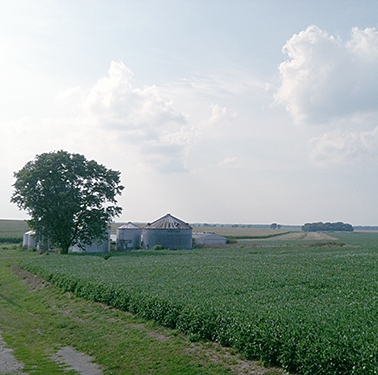
On behalf of a private U.S. agricultural technology provider, WPI’s team generated an econometric model to forecast the movement of concentrated corn production north and west from the traditional U.S. Corn Belt. WPI’s model has subsequently provided quantitative support to a multi-million-dollar investment into short-season corn variety development. WPI’s methodology included a series of interviews with regional grain elevators and seed consultants. Emphasizing outreach and communication with stakeholders who possess intimate sectoral knowledge – on-the-ground insights – is a regular component of WPI’s methodologies, made possible by WPI’s ever-growing network of industry contacts.