
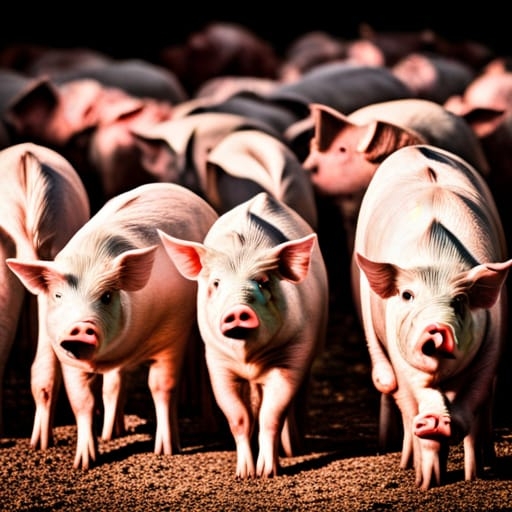
USDA released the U.S. Canada Hog Inventory Report yesterday. The U.S. data is based on the quarterly Hogs and Pigs Report which is as of the second quarter ending on 1 June and the data for Canada is a semi-annual report as of 1 July. This is always an insightful benchmark because of the integration of the two countries’ industries, though Canada’s swine herd is typically about 19 percent of the U.S. swine herd. As of mid-year, the inventory of all hogs and pigs in the U.S. and Canada was 88.4 million head, which was 101 percent of 2023 and 102 percent of 2022, its recent low point. The volatility of the hogs and pigs inventory in the past several years reflects the discovery of ASF in China and the disrupti...



 What You Need to Know Today: Markets got a surprise with a corn yield of 181.2 bushels/acre in the October WASDE, above the average estimate of 177.6 bushels/acre and up from USDA’s September estimate of 178.5 bushels/acre. Although stronger demand is expected to absorb some of the addit...

 Key Takeaways: On Friday afternoon, President Trump announced that Russia will “immediately supply over 300,000 Tons of Diesel Fuel” to the United States. The deal, typical of this administration, is light on details but promises an additional 500,000 tons in November and 1 m...
 The USDA has lowered its 2026 red meat production forecasts slightly while forecasting a slight increase in broiler production. Beef is now projected at 24.802 billion pounds, 75 million pounds less than in September. Cow slaughter is expected to be up; however, this will be offset by lower ste...

From WPI Consulting
Illuminating the value of technical research
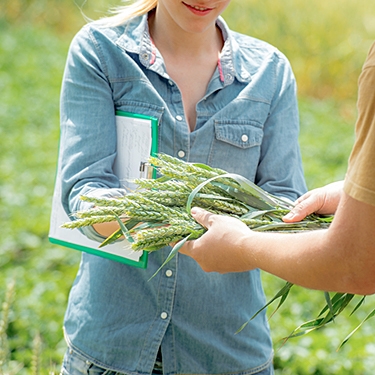
On behalf of a commodity producer organization, WPI evaluated the outputs from a project that featured a $5 million investment into technical research over multiple years. WPI’s team captured the results of this extensive effort and synthesized them for presentation to the organization’s governing board; among the findings uncovered and presented for the first time was the development of genomic traits proven, via rigorous testing, to provide crop yield advantages of 50 percent or more to U.S. farmers in times of drought. Capturing measurable results from long-term efforts can be challenging. Educating clients on the dynamics of success measurement when quantifiable results are not readily available requires deep client-consultant collaboration and an ability to consider both near- and long-term client aspirations with market/policy dynamics – attributes that WPI brings to every consulting engagement.