Key Takeaways:
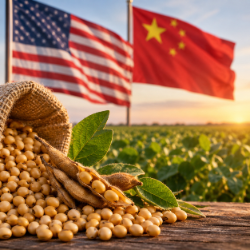
The U.S.-China agreement lowers tariffs on several U.S. agricultural products, but the lack of additional soybean commitments or greater certainty surrounding China’s existing 25 MMT purchase pledge made the deal a slight disappointment. Lower tariffs on U.S. corn are unlikely to have much near-term impact because China is currently importing little corn and has made no commitment to increase U.S. purchases. Broader agricultural tariff reductions could help China fulfill its separate commitment to purchase at least $17 billion of U.S. agricultural products annually through 2028. A new U.S.-China agricultural working group creates a framework for addressing market-access and regulatory barriers, although its ultimate im...


 Russian Grain Markets: 9–13 November 2026 During the week of 9–13 November, the Russian grain market turned bearish despite improved export activity in October. A large crop and several months of historically low exports have created significant stock pressure. Government interventi...
 What You Need to Know Today: Canadian Prime Minister Mark Carney announced an expansion of Canada’s trade and economic partnership with China during a 17 November visit to Shenzhen. China agreed to suspend certain retaliatory tariffs from January 2027 through December 2028, providing tar...

 The efforts behind the Make America Healthy Again (MAHA) movement are back in gear at the White House. The new White House Chief of Staff, Stephen Miller, is a true-blue MAHA believer, from reducing childhood vaccinations to restricting pesticide use to labeling food products as ultra-processed...