


The wheat market can’t break out of its narrow trading range of three months despite some positive world wheat fundamentals. The problem is that the pace of U.S. wheat export sales has not improved to reflect any of the crop problems among the other major wheat-exporting countries. Russia continues to be a major player, although it does seem to be losing its solid grip on markets like Egypt, which has purchased U.S. wheat in its past few tenders. While there have also been reports of tightening supplies at Russia’s major wheat export facilities, the government hasn’t said anything about restricting those shipments. A side story worth noting is that the winter wheat crop there wasn’t planted under very good conditions...


 What You Need to Know Today: After a period of limited activity, USDA reported a sizeable 613 KMT in soybean export sales, including 330 KMT to China and 283 KMT to unknown destinations, potentially also China. The purchases represent a meaningful pickup in demand and bring China closer to ful...

 Key Takeaways: Consumer spending is a key driver of the U.S. economy, and the latest retail sales data indicate that spending remains robust despite inflation. In September, total retail and food service sales rose more than 6 percent year-over-year, with food service spending up 7 percent and...

 The Trump import plan for 300,000 MT of beef supplies used for ground beef, i.e., lean trim, from September through November has, according to Secretary Brooke Rollins, brought some relief to beef prices. The Executive Order states that the Secretary of Agriculture will analyze and review the m...

From WPI Consulting
Infrastructure investment due diligence
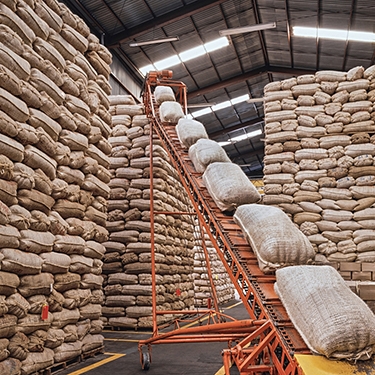
On behalf of a Canadian oilseed processer WPI's team provided market analysis, econometric modeling and financial due diligence in support of a $24 million-dollar investment in a Ukrainian crush plant. Consistent with WPI's findings, local production to supply the plant and the facility's output have expanded exponentially since the investment. WPI has conducted parallel work on behalf of U.S., South American and European clients, both private and public, in the agri-food space.