Key Takeaways:
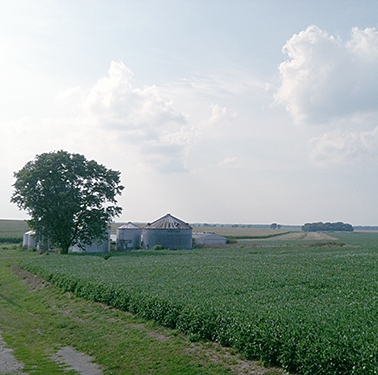
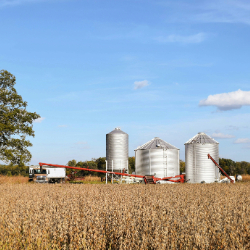
The U.S. maintains a significant storage advantage, with a much larger share of grain storage located on farms, giving producers greater flexibility to manage timing, basis, and pricing decisions. Brazil's storage deficit increases harvest-time pressure on logistics and exports, as limited storage capacity forces more grain into the supply chain immediately after production. Extensive on-farm storage allows U.S. producers to separate harvest from sales decisions, improving their ability to manage basis risk, capture carry opportunities, and enhance grain marketing outcomes. Expanding on-farm storage remains a priority for Brazil, but significant capital requirements and long investment payback periods have slowed adoption de...



 What You Need to Know Today: Chinese purchases of U.S. soybeans continued to accelerate, with USDA reporting another 558 KMT sold to China and 236 KMT to unknown destinations. Combined with sales announced Wednesday and Thursday, the latest purchases bring the three-day total to approximately...

 Key Takeaways: With the fall calf run now upon us, producers are finally getting a glimpse of what their realized profits will be for 2026. Some producers may have already obtained a strong estimate of 2026 revenues, especially if calves were forward sold in, for example, the mid-summer...
 As fall begins, wild migratory birds are starting their seasonal migration. That has the industry and government officials worried about the potential spread, again, of highly pathogenic avian influenza (HPAI). Some members of Congress have called for the United States to be prepared for a pote...