
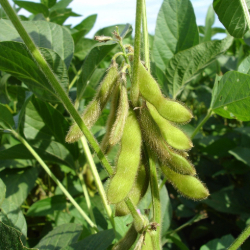
With soybean and soy product exports frequently in the headlines amid the ongoing tariff and policy shifts from Washington, examining export trends is increasingly important. Thursday’s updated Export Sales report from the USDA offered some interesting statistics for these markets, and WPI offers our examination of these trends and an outlook for what the rest of 2025/26 holds. Soybeans U.S. soybean exports are down 32 percent YTD, due to a massive 68 percent reduction in shipments to China. Exports to other countries are up sharply, as non-China buyers took advantage of the U.S.’s price competitiveness (before the January–February rally), and shipments to Mexico, Egypt, Japan, and Bangladesh are up sharply this year...



 What You Need to Know Today: Cattle futures extended their sharp selloff Friday as weakening cash cattle prices, deteriorating feedlot profitability, and reduced packer demand continued to weigh on the market. The inability of futures to sustain a rally following last week's bullish Cattle on...


 As predicted, the Federal Reserve held rates steady at the last meeting before the midterm elections, likely in part because of the election (see WPI 19 October and 22 September). The decision comes at the tail end of a midterm election cycle that has been marked by the two parties campaigning...

 Key Takeaways: WPI’s new EU rapeseed crushing margin models point to weaker processing returns over the next four months due to higher rapeseed procurement costs and weaker product values. Statistical forecasts call for German crushing margins to decline from €181/MT to €...

From WPI Consulting
Weighing in on strategic realignment

WPI’s team was retained by the governing board of a U.S. industry organization to review a decision, reached by vote, to invest significant assets into the development and management of an export trading company. WPI’s team conducted a formal review of this decision and concluded that the current level of market saturation would limit the benefits of the investment. Based on WPI’s analysis and recommended actions, the board subsequently reversed its decision and undertook a strategic planning effort to identify more impactful investments. On behalf of numerous clients, WPI has not only assisted in identifying strategic paths but also advised their implementation.