Key Takeaways:
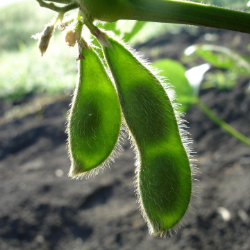
China's rise to become the world's largest soybean importer reshaped global trade flows, but recent trade tensions have reduced its share of U.S. soybean exports. U.S. soybean exports have become increasingly diversified as exporters expanded sales to multiple emerging markets to offset reduced Chinese demand. Egypt has emerged as one of the fastest-growing destinations for U.S. soybeans, supported by expanding feed demand and a clear preference for high-protein soybean supplies. Southeast Asia has become a major growth market as livestock production, aquaculture output, and soybean crushing capacity continue to expand, boosting demand for both soymeal and whole soybeans. Mexico remains a cornerstone of U.S. soybean demand,...



 As predicted, the Federal Reserve held rates steady at the last meeting before the midterm elections, likely in part because of the election (see WPI 19 October and 22 September). The decision comes at the tail end of a midterm election cycle that has been marked by the two parties campaigning...


 Key Takeaways: WPI’s new EU rapeseed crushing margin models point to weaker processing returns over the next four months due to higher rapeseed procurement costs and weaker product values. Statistical forecasts call for German crushing margins to decline from €181/MT to €...
 Key Takeaways: The tariff burden rose sharply in 2025 and 2026: the effective rate on imports in HTS Chapters 1–24 increased from 1.53 percent in 2024 to 6.11 percent in 2025, before averaging 5.68 percent in January–August 2026. Headline rates tell only part of the story: exemptio...