
The first quarter (September-November) of the 2012/13 U.S. soybean year has flown by, and we are into the early weeks of the second quarter. That the first quarter was an exciting one for the soy complex markets is something of an understatement. The January soybean contract traded at a high of $17.60 on 5 September and a low of $13.73 on 16 November. A high-low spread of nearly $4.00 during the three-month time frame is one way to define excitement, not to mention market volatility. Simply put, soybean futures price action reflected a drought-induced drop of about 500 million bushels in expected U.S. soybean production from late June to early September, even as world soybean demand was pushed toward the U.S. as a result of severely droug...



 Yesterday, Alberta held a referendum on whether to begin the process toward independence from Canada. With more than one million votes counted as of early Tuesday morning, around 77 percent supported remaining in Canada, and 23 percent voted to start the process of separation, according to unof...

 Mediterranean/Middle East/North Africa/Africa – MEA Region Pakistan’s smaller wheat farmers have been holding protests to complain about the lack of a support price for wheat and the potential expansion of GMO crop production. They also want the reinstatement of PASSCO, the governme...
 What You Need to Know Today: Harvest pressure in the U.S. sent corn and soybeans lower as supplies increased and there were signs USDA’s upward revisions to yields in the October WASDE could be close to right. The conflict between Russia and Ukraine escalated over the weekend, with Ukrai...

From WPI Consulting
Forecasting developments in production agriculture
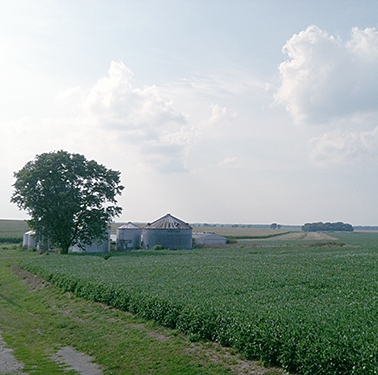
On behalf of a private U.S. agricultural technology provider, WPI’s team generated an econometric model to forecast the movement of concentrated corn production north and west from the traditional U.S. Corn Belt. WPI’s model has subsequently provided quantitative support to a multi-million-dollar investment into short-season corn variety development. WPI’s methodology included a series of interviews with regional grain elevators and seed consultants. Emphasizing outreach and communication with stakeholders who possess intimate sectoral knowledge – on-the-ground insights – is a regular component of WPI’s methodologies, made possible by WPI’s ever-growing network of industry contacts.