
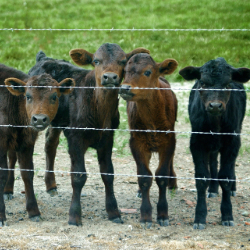
The Trump Administration is planning a suspension of tariff rate quotas (TRQs) on beef from all exporters for 200 days as a means to address high beef prices in the U.S. U.S. cattle and beef prices have increased based on exceptionally strong consumer demand, the smallest U.S. cattle herd in 75 years, and the suspension of feeder cattle imports from Mexico due to the New World Screwworm (NSW). TRQs allow a certain amount of beef, established as a quota based on historic volumes imported, into the U.S. at a relatively low tariff rate, and anything above the set quota faces a much higher rate. For the biggest catch-all category, known as the “Other Countries” quota, which is a “first come, first served” quota, beef imp...



 What You Need to Know Today: Headlines emerging from negotiations between President Trump and President Xi were relatively limited, with a more substantive announcement expected Monday. U.S. Trade Representative Jamieson Greer indicated that additional details related to agricultural trade cou...
 The heat of summer is now transitioning into more moderate temperatures, and the next two months have the busiest marketing periods of the year for replacement cattle. Weather always influences the replacement cattle market, and the primary grain belt in the Southern Plains, where many cattle a...


 Key Takeaways: Diesel accounts for about 64 percent of U.S. farm fuel spending. For farmers, the pressing question is what a higher price adds to each field operation. Iowa farm diesel averaged $5.50/gallon in September, compared with the $2.89/gallon Iowa State assumed for its February machin...

From WPI Consulting
Infrastructure investment due diligence
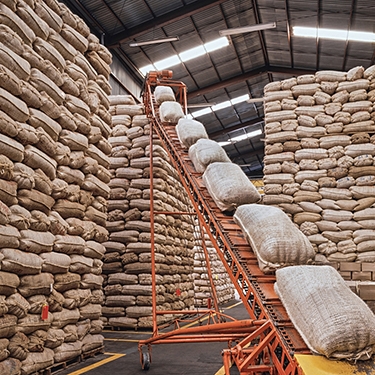
On behalf of a Canadian oilseed processer WPI's team provided market analysis, econometric modeling and financial due diligence in support of a $24 million-dollar investment in a Ukrainian crush plant. Consistent with WPI's findings, local production to supply the plant and the facility's output have expanded exponentially since the investment. WPI has conducted parallel work on behalf of U.S., South American and European clients, both private and public, in the agri-food space.