


Futures markets seem to be taking a schizophrenic view of the supply/demand situation facing U.S. corn and wheat. Traders are well aware that the worst drought in 50 years has sharply reduced corn production, and they are well aware that U.S. wheat supplies are being drawn down in part because wheat is being used in livestock feed as a substitute for the missing corn. And of course, traders are well aware that world supplies of both corn and wheat are in decline. Yet, some traders argue that corn and wheat futures markets are bearish because exports of U.S. corn and wheat have slowed to a trickle.It may appear somewhat ingenuous to expect exports to be booming during periods of low and/or tightening supplies, but then traders and markets...


 What You Need to Know Today: U.S. weather is getting more attention this week as conditions vary greatly across the western, central, and eastern corn belts, with the different regions battling dryness and too much rain simultaneously. The ProFarmer Crop Tour began today in Indiana and Nebrask...

 Key Takeaways: Argentina is on pace for a record corn crop and record exports in the current marketing year, with abundant supplies likely to keep the country highly competitive in global export markets. Argentina’s record exportable surplus is allowing it to offer highly competitive pri...

From WPI Consulting
Infrastructure investment due diligence
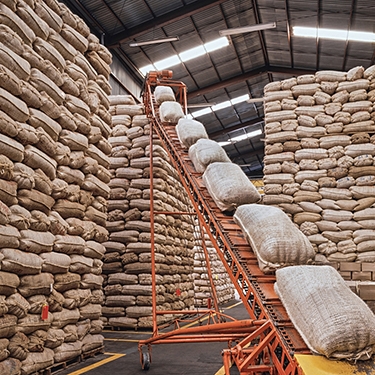
On behalf of a Canadian oilseed processer WPI's team provided market analysis, econometric modeling and financial due diligence in support of a $24 million-dollar investment in a Ukrainian crush plant. Consistent with WPI's findings, local production to supply the plant and the facility's output have expanded exponentially since the investment. WPI has conducted parallel work on behalf of U.S., South American and European clients, both private and public, in the agri-food space.