

The 2016/17 U.S. wheat crop will clearly be small, but it appears unlikely that this will provide fundamental support for a bull wheat market. The anticipated 2015/16 carryout of near 1 billion bushels will provide a cushion, especially considering the composition as well as another factor. One of the few surprises in USDA’s reports last week came from its survey of U.S. farmers’ planting intentions for wheat. They were said to have planted 36.2 million acres of winter wheat, down roughly 600,000 from the January count. USDA put spring wheat planting intentions at 11.4 million acres, over 1.5 million less than expected and more than 1.8 million fewer acres than last year. Total acreage in 2016/17 for all U.S. wheat was reported as 49.6 mill...



 What You Need to Know Today: After a period of limited activity, USDA reported a sizeable 613 KMT in soybean export sales, including 330 KMT to China and 283 KMT to unknown destinations, potentially also China. The purchases represent a meaningful pickup in demand and bring China closer to ful...

 Key Takeaways: Consumer spending is a key driver of the U.S. economy, and the latest retail sales data indicate that spending remains robust despite inflation. In September, total retail and food service sales rose more than 6 percent year-over-year, with food service spending up 7 percent and...

 The Trump import plan for 300,000 MT of beef supplies used for ground beef, i.e., lean trim, from September through November has, according to Secretary Brooke Rollins, brought some relief to beef prices. The Executive Order states that the Secretary of Agriculture will analyze and review the m...

From WPI Consulting
Forecasting developments in production agriculture
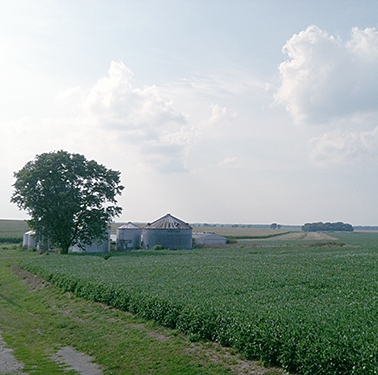
On behalf of a private U.S. agricultural technology provider, WPI’s team generated an econometric model to forecast the movement of concentrated corn production north and west from the traditional U.S. Corn Belt. WPI’s model has subsequently provided quantitative support to a multi-million-dollar investment into short-season corn variety development. WPI’s methodology included a series of interviews with regional grain elevators and seed consultants. Emphasizing outreach and communication with stakeholders who possess intimate sectoral knowledge – on-the-ground insights – is a regular component of WPI’s methodologies, made possible by WPI’s ever-growing network of industry contacts.