


While USDA will make some changes to world production numbers, It is interesting to note where the ending supplies of the three major crops are located.USDA will issue its monthly WASDE (supply/demand) numbers at 12 p.m. (EST) this Wednesday, 9 December. The December reports don’t contain any new or revised crop production estimates for the U.S. as those numbers will be unchanged from the November report. U.S. crop production revisions or final estimates aren’t released until 12 January. The December ending supply revisions will be totally dependent on any changes in the demand side of the equation, and no one is expecting any major changes in demand this month. Remember that USDA reduced the wheat export forecast by 50 million bushels (1.3...


 What You Need to Know Today: Agricultural commodities were mostly lower on the day, with red-hot soyoil a notable exception. Export sales were a bit underwhelming, particularly for corn with export sales down 52 percent week-over-week. The weakness in ag markets tracked crude oil weakness wit...

 With the war in Iran affecting fuel and fertilizer prices, higher tariffs, weak commodity prices, ag labor constraints, and other factors, farm bankruptcies are now at a 6-year high, a signal of growing stress. During the month of April, 62 Chapter 12 bankruptcies were filed, which is a 1...
 Food Inflation The Open Markets Institute, which is notably funded by several “anonymous” donors and liberal foundations, obtained a guest editorial in the New York Times in which they blame agribusiness concentration for higher grocery prices. This is their schtick and it is politi...

From WPI Consulting
Forecasting developments in production agriculture
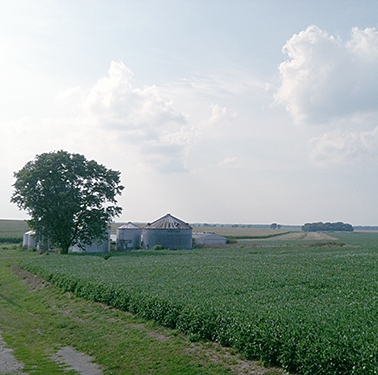
On behalf of a private U.S. agricultural technology provider, WPI’s team generated an econometric model to forecast the movement of concentrated corn production north and west from the traditional U.S. Corn Belt. WPI’s model has subsequently provided quantitative support to a multi-million-dollar investment into short-season corn variety development. WPI’s methodology included a series of interviews with regional grain elevators and seed consultants. Emphasizing outreach and communication with stakeholders who possess intimate sectoral knowledge – on-the-ground insights – is a regular component of WPI’s methodologies, made possible by WPI’s ever-growing network of industry contacts.